
Is Laser Eye Surgery Painful?
No—laser eye surgery like LASIK is not painful because numbing eye drops prevent pain during the procedure, and any mild discomfort afterward is usually temporary and manageable.

Medically Reviewed By:
Dr Advaith Sai Alampur
Leading LASIK & Refractive Surgery Expert
Condition:
Myopia
(Near sightedness)
Treatment:
LASIK
(Laser Eye Surgery)

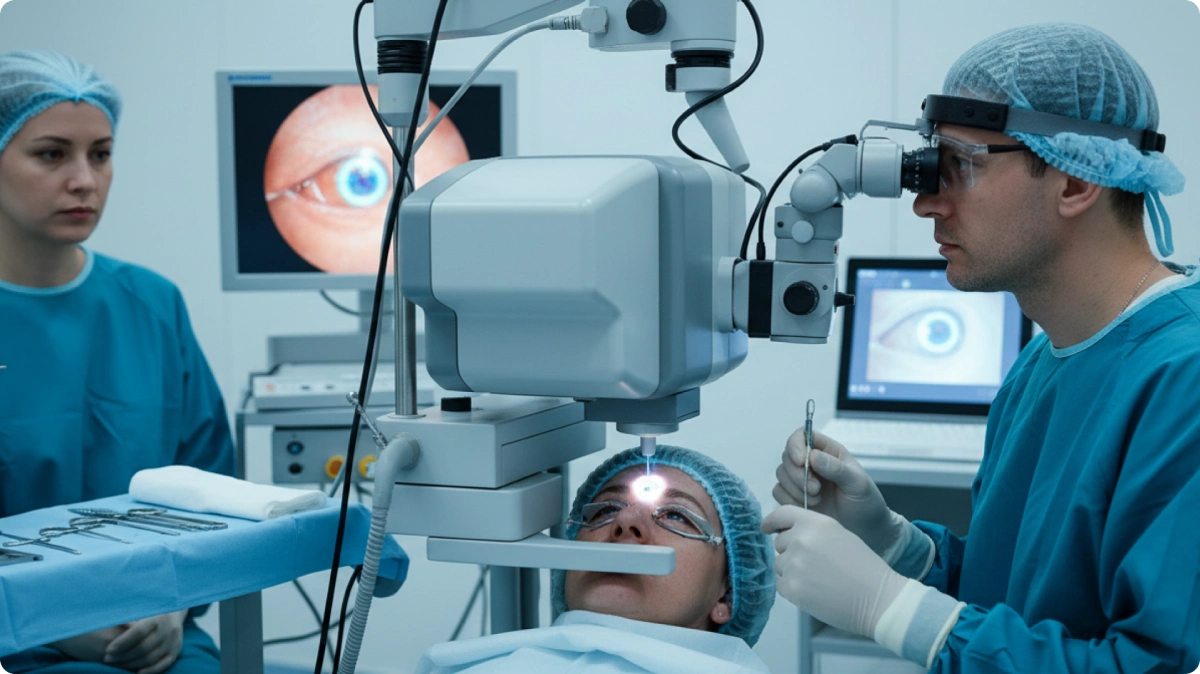
Imagine trying to watch your favorite movie on an old, blurry TV—frustrating, right? Now, picture upgrading to a shiny new high-definition screen, where every scene is crisp, clear, and perfectly detailed.
That’s what laser eye surgery feels like for your vision. It’s a quick procedure that can transform the way you see the world, with minimal discomfort.
If you’ve been wondering whether the process is painful, think of it as a smooth upgrade to crystal-clear vision, just like switching to HD—but without the hassle or discomfort!
Let’s explore what you can really expect from the procedure.
In this article
- LASIK reshapes the cornea to correct nearsightedness, farsightedness, and astigmatism.
- The procedure is FDA-approved, safe, and uses modern laser technology for precision.
- Candidates should be over 18, have a stable prescription, and healthy corneas.
- Short-term side effects can include dry eyes, halos, glare, or temporary vision fluctuations.
- Most patients achieve stable, long-term vision improvement and are satisfied with results.
- LASIK doesn’t stop natural age-related changes, so reading glasses may still be needed later.
What Is Laser Eye Surgery?
Laser eye surgery, commonly referred to as LASIK, is a quick and highly effective procedure that reshapes the cornea to correct vision issues like:
1.Nearsightedness (myopia)
2.Farsightedness (hyperopia)
3.Astigmatism
There are other types of procedures too, like PRK (Photorefractive Keratectomy), which is often offered for patients with thinner corneas. Both procedures aim to improve the way light focuses on your retina, giving you clearer vision without glasses or contacts.
Why Do People Choose Laser Eye Surgery?
For many, it’s about more than just convenience.
1.It’s the freedom to swim without dealing with foggy lenses.
2.It’s the relief of not scrambling to find glasses in the middle of the night.
3.It’s about boosting confidence and improving quality of life.
When you think about it, saying goodbye to glasses or contact lenses can sound pretty magical. But does it really involve a lot of pain?




(Put Real times images and shorts of Dr Avdaith Sai Consulting, Operating on Patients)

Watch Patient Journeys

Visit Our Centre
Will It Hurt? Here’s What Pain Feels Like During the Procedure
When most people hear the word “laser,” they immediately imagine sharp heat or an overwhelming sensation. That’s not the case with LASIK or similar surgeries, thanks to how precisely modern technology is designed to prioritize your comfort.
What Happens During the Surgery?
Here’s a step-by-step that paints a clear picture of how the surgery works:
1.Numbing Drops Are Applied – Before anything begins, your doctor will apply anesthetic drops to your eyes to numb them completely.
2.The Cornea Is Prepared – Depending on the procedure, a thin flap on the cornea is created. For LASIK, this step is quick and painless.
3.Laser Correction – A laser reshapes your cornea, which only takes about 30 seconds per eye.
4.Flap Repositioning – If applicable, the corneal flap is laid back in place. Your body naturally heals it over time.
What You Might Feel?
While the numbing drops ensure there’s no pain, some patients report mild sensations:
A feeling of pressure (like pressing lightly on your closed eye).
Slight awareness of something happening while the procedure is underway—but no sharp or unbearable pain.
Most people describe it more as a strange experience than a painful one.
How Laser Eye Surgery Minimizes Pain?
Modern technology is a huge factor in why the procedure feels virtually painless. Advanced lasers work with unparalleled precision and speed, eliminating any significant discomfort. Combined with numbing drops and expert care, the process is designed to be as smooth and stress-free as possible.
Will You Be Conscious?
Yes, but don’t worry! You won’t feel pain, and the eye surgeon will guide you every step of the way. If you’re anxious, many clinics even offer medications to help calm your nerves beforehand.
Are You the Right Candidate for LASIK?
Fill the form & we will tell you if LASIK is right for you. Its Free!
Pain After the Surgery: What to Expect?
Immediately After the Procedure
It’s normal to experience some mild discomfort after the numbing drops wear off. You might feel:
1.Slight dryness or a gritty sensation, like you have an eyelash in your eye.
2.Light sensitivity—bright lights might feel uncomfortable for a short while.
Thankfully, this is temporary and manageable. Eye drops prescribed by your surgeon will soothe these sensations, while resting your eyes can make a world of difference.
The First Few Days
Here’s what patients typically report during the recovery period:
1.Blurred or hazy vision is common for the first 24 hours, but it clears up quickly.
2.Itchy or burning sensations, though mild, might linger for a day or two.
3.Most return to normal routines within 1-3 days, while full healing may take a few weeks.
Managing Post-Surgery Discomfort
Here are some simple tips for a smooth and pain-free recovery:
1.Use lubricating eye drops as instructed.
2.Avoid rubbing your eyes, no matter how tempting it is.
3.Shield your eyes from bright sunlight with sunglasses.
4.Rest—limit screen time and allow your eyes to heal.
By following these instructions, you can dramatically reduce any discomfort.
Emotional and Psychological Aspects of the Procedure
We’d be remiss not to highlight the mental hurdles many face before deciding on laser eye surgery.
Addressing Pre-Surgery Anxiety
It’s completely normal to feel nervous. After all, the idea of a laser near your eyes can sound intimidating! Here’s how to calm your mind:
Talk to your surgeon—they’ve likely guided thousands through the exact same procedure.
Educate yourself—the more you know about what to expect, the less room fear has to grow.
Practice deep breathing or meditation before the surgery.
Expectations vs. Reality
Most people worry about whether the results will measure up to their expectations. The reality? Significant improvement is usually immediate, and any minor discomfort during recovery tends to fade quickly. Being prepared for a short healing period helps keep things in perspective.
The Emotional Payoff
Imagine the psychological boost of waking up and seeing your world clearly without relying on lenses. Patients often describe the experience as life-changing; small tasks like reading a menu suddenly feel easier and more enjoyable.
Is Laser eye surgery Worth It?
The short answer? For most people, yes. Laser eye surgery is an investment in your vision and your quality of life.
Benefits of Laser Eye Surgery
Some of the most notable benefits include:
1.Long-term freedom from glasses or contacts.
2.Improved convenience for activities like sports or travel.
3.Enhanced confidence and self-image.
Possible Side Effects
It’s important to know there are rare risks, such as:
1.Dry eyes, which often improve with treatment.
2.Glare or halos at night, which typically subside over time.
Knowing the risks helps you weigh the benefits realistically.
Is the Pain Tolerable?
The straightforward truth is that laser eye surgery is not painful. Any discomfort is short-lived and manageable, especially with post-op care. Most patients agree the results far outweigh any temporary sensations during or after the procedure.
Recovery and Aftercare
Proper aftercare is key to ensuring long-term success:
1.Follow your surgeon’s instructions to the letter.
2.Rest—your eyes will thank you!
3.Attend follow-up appointments to ensure you’re healing as expected.
Watch for signs like severe pain or unusual vision changes, and contact your doctor immediately if they occur.
Experience pain-free, crystal-clear vision with Envision LASIK Centre—the best LASIK centre in Hyderabad! Book your consultation today and see the world differently!
Real Patient Stories
Take it from people who’ve been through it. Many describe their initial nerves transforming into excitement as they realize the procedure truly delivers what it promises.
One patient shared, “I was worried it would hurt, but honestly, it was more uncomfortable thinking about it than actually doing it. I’d do it again in a heartbeat!”
Final Thoughts
To sum it up, laser eye surgery isn’t painful. It’s a procedure designed for comfort and tailored to give you clear vision with minimal downtime. Any discomfort is brief and passes quickly, leaving you with long-lasting results that can change your life for the better.
When you’re ready, consult an experienced surgeon to see if laser eye surgery is right for you—because clearer, pain-free vision may be closer than you think!
Dr. Advaith Sai Alampur, a trusted laser eye surgeon in Hyderabad, offers the best laser eye surgery with advanced technology and expert care.
LASIK for Pilots in India: A Guide to Vision Standards & Safety
LASIK for pilots in India: DGCA rules, Armed Forces standard…
AI in LASIK Surgery: How Artificial Intelligence Is Transforming Vision Correction (2026)
SMILE Pro preserves 80% more corneal nerves than LASIK by us…
Environmental Factors and LASIK Outcomes: How Pollution and UV Exposure Influence Success and Longevity
Learn how pollution and UV exposure affect LASIK outcomes, h…