
LASIK for Pilots in India: A Guide to Vision Standards & Safety
LASIK for pilots in India: DGCA rules, Armed Forces standards, approved procedures, waiting periods & eligibility explained clearly.
Medically Reviewed By:
Dr Advaith Sai Alampur
Leading LASIK & Refractive Surgery Expert
Condition:
Myopia
(Near sightedness)
Treatment:
LASIK
(Laser Eye Surgery)

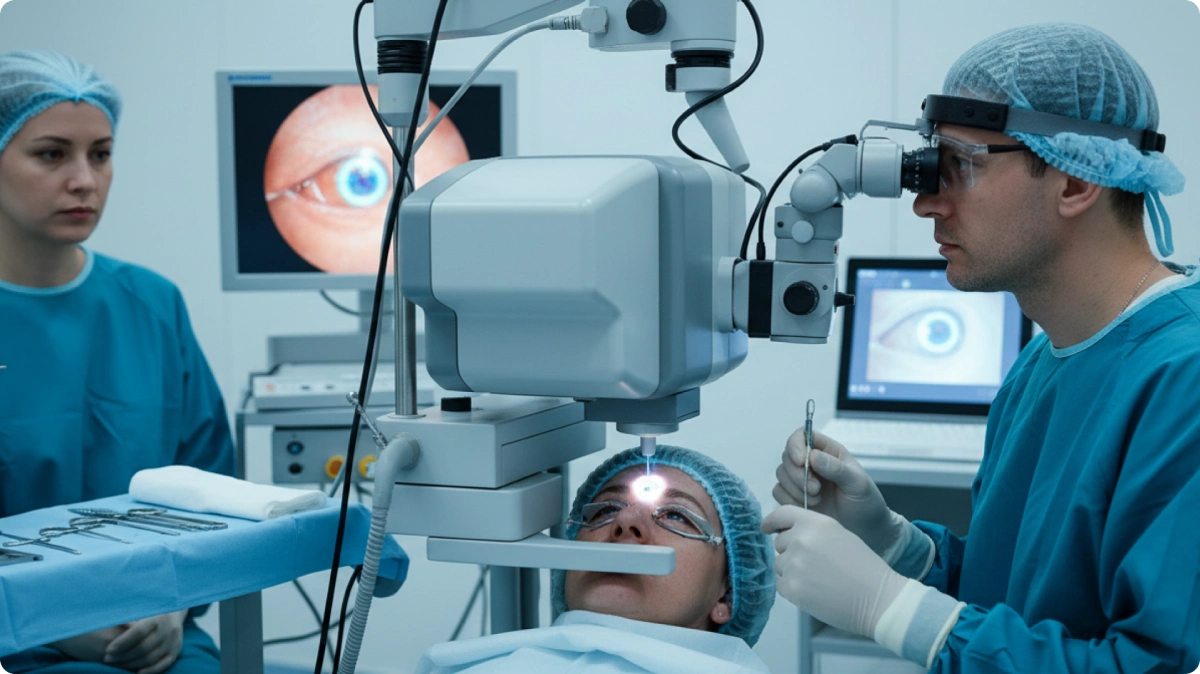
For pilots and defence professionals in India, exceptional vision is more than just beneficial—it is a basic job requirement.
Relying on spectacles or contact lenses can be inconvenient, particularly given the operational challenges found in cockpits and field environments, such as fluctuating air pressure and exposure to dust and debris.
These concerns lead many to explore whether laser eye surgery, like LASIK, is a safe and approved option for those with demanding vision standards.
The encouraging news is that laser eye surgeries—including LASIK—are accepted for many roles in Indian aviation and defence. However, the process requires strict adherence to Indian regulations, eligibility criteria, and close monitoring of the recovery journey. This guide details everything you need to know for the Indian context.
We’ll discuss the vision requirements for Indian pilots and defence roles, outline approved procedures, explain the eligibility checklist, and clarify the necessary waiting periods before returning to duty in India.
In this article
- LASIK reshapes the cornea to correct nearsightedness, farsightedness, and astigmatism.
- The procedure is FDA-approved, safe, and uses modern laser technology for precision.
- Candidates should be over 18, have a stable prescription, and healthy corneas.
- Short-term side effects can include dry eyes, halos, glare, or temporary vision fluctuations.
- Most patients achieve stable, long-term vision improvement and are satisfied with results.
- LASIK doesn’t stop natural age-related changes, so reading glasses may still be needed later.
Are Pilots Allowed to Have LASIK Surgery in India?
Yes, pilots in India are permitted to undergo LASIK surgery, provided they meet specific criteria set by the Directorate General of Civil Aviation (DGCA).
The DGCA is the governing body responsible for setting medical standards for pilots in India. Pilots must demonstrate stable post-surgery vision and remain free from complications that might impact flight safety, such as glare or decreased contrast sensitivity.
What Are the DGCA Rules on LASIK for Pilots?
The DGCA has clear medical guidelines for pilots who wish to undergo refractive eye surgery. Key DGCA requirements include:
1.Complete Recovery: A pilot must be free from any post-surgery complications, such as increased glare, halos, or light sensitivity.
2.Stable Vision: Your refractive error should be stable for at least 1 year prior to medical examination after surgery.
3.Waiting Period: The DGCA usually requires a waiting period of 6–12 months after LASIK before you can be considered for medical fitness.
4.Specialist Ophthalmic Evaluation: You must obtain a comprehensive eye examination by a DGCA-approved ophthalmologist. Reports should confirm corneal integrity, stable refraction, and absence of post-operative complications.
5.Visual Acuity Standards: You must meet the visual acuity standards set by the DGCA, both uncorrected and, if required, with minimal spectacle correction.
Note: These guidelines often apply to both Commercial Pilot License (CPL) applicants and holders, as well as existing pilots undergoing medical renewals.




(Put Real times images and shorts of Dr Avdaith Sai Consulting, Operating on Patients)

Watch Patient Journeys

Visit Our Centre
Laser Eye Surgery for Indian Armed Forces and Defence Personnel
In India, the acceptance of LASIK or other refractive surgeries by the Armed Forces (Army, Navy, Air Force, and other branches) is governed by each service’s medical boards and recruitment standards.
Historically, refractive surgery could result in disqualification, especially for frontline roles. Today, many branches accept candidates who have undergone safe, successful laser eye procedures for select non-combat and some technical roles.
Which Military Roles Accept Laser Eye Surgery in India?
1.General Service Roles: Certain roles in the Indian Army, Navy, and Air Force now permit candidates with prior refractive surgery, especially in ground and technical branches.
2.Flying and Combat Roles: The Indian Air Force and Indian Navy have strict policies. For flying branches, candidate eligibility is restricted:
- Most flying and aircrew positions (especially in the Air Force) disallow any history of LASIK or similar surgeries; only surface ablation techniques like PRK may be accepted.
- Post-PRK or surface ablation, eligibility may be possible under strict guidelines, including mandatory waiting periods (usually 6–12 months post-surgery), detailed corneal evaluation, and stable refraction.
3.Medical and Specialist Roles: Candidates for positions such as doctors, engineers, and administrative posts may have less stringent rules, but all must declare prior procedures.
Candidates MUST disclose any history of refractive surgery during the medical evaluation, and each case is assessed in detail by the respective medical board.
Are You the Right Candidate for LASIK?
Fill the form & we will tell you if LASIK is right for you. Its Free!
Understanding Approved Procedures: LASIK vs. PRK/Surface Ablation
Indian aviation and defence authorities distinguish between various laser eye procedures based on their safety profile under high-stress and high-impact environments.
| Procedure | How it Works | Key Considerations for Indian Pilots/Defence |
| LASIK | A thin corneal flap is created and tissue is reshaped with a laser. The flap is then repositioned. | Pros: Rapid recovery, minimal discomfort. Cons: Flap carries a potential risk in high G-force or trauma, so not always approved for combat/flying roles. |
| PRK/LASEK/Epi-LASIK | Only the thin outer corneal layer is altered or removed, laser reshapes tissue beneath, no flap involved. | Pros: No risk of flap dislocation, usually preferred for combat/flying roles. Cons: More discomfort initially, longer healing period. |
| SMILE | A minimally invasive procedure using a femtosecond laser to remove a disc of tissue without creating a corneal flap. | Pros: No flap, reduced dry eye. Cons: Acceptance varies; not always listed in eligibility criteria for military/flying roles. |
For DGCA commercial pilots, LASIK may be accepted with appropriate documentation and specialist clearance. For most Indian Armed Forces flying branches, surface ablation techniques (like PRK or LASEK) are preferred/required, and LASIK may still disqualify candidates due to flap considerations.
Am I a Good Candidate for Laser Eye Surgery in India?
1.Stable Refraction: Your eye power should be stable for at least 1 year before surgery.
2.Corneal Thickness: Sufficient corneal thickness is essential, especially for repeat assessments by defense/aviation medical boards.
3.No Pre-existing Eye Diseases: Diseases such as keratoconus, glaucoma, or retinal conditions may disqualify you.
4.General Health: You must not have systemic conditions that affect healing (such as autoimmune diseases).
5.Age Requirements: For most licensing/entry, at least 18–21 years old, and your eyes should be fully mature.
Always consult an experienced ophthalmologist familiar with DGCA or Armed Forces requirements before proceeding.
Consult Dr. Advaith Sai Alampur, an experienced ophthalmologist in India, who understands the specific vision standards set by the DGCA and Armed Forces.
Get personalized guidance, thorough assessments, and clarity on your eligibility before making a decision.
The Process: From Consultation to Returning to Duty
1.Pre-Surgery Assessment: Full eye check-up and counseling about procedure choice, recovery, and job-specific risks.
2.Procedure: Outpatient surgery, usually under 15 minutes per eye.
Grounding/Non-Operational Period: Compliance with mandatory waiting period (usually 6–12 months post-surgery for aviation and defense).
3.Post-Surgery Monitoring: Multiple follow-ups with documented corneal health, visual acuity, and absence of glare/halos.
4.Final Clearance: Submission of detailed ophthalmic reports to the DGCA or Medical Board. Only after official clearance are individuals allowed to resume flying or operational duties.
How Long After LASIK or PRK Can I Resume Flying or Operational Duties in India?
1.Commercial Pilots (DGCA): Generally, a minimum waiting period of 6–12 months, with mandatory ophthalmic clearance and documented stable vision. Approval is given on a case-by-case basis.
2.Armed Forces: Usually 6–12 months for PRK and surface ablation procedures, subject to thorough assessment. LASIK often remains disqualifying for flying/combat roles.
Key Takeaways
1.Laser Eye Surgery Is Conditioned: Indian aviation and certain defence roles permit laser eye surgery if strict criteria are met.
2.Type of Procedure Matters: Surface ablation (PRK/LASEK) is preferred in military flying roles; LASIK can be accepted in civilian aviation after clearance.
3.Waiting Period Is Mandatory: 6–12 months post-surgery, with full documentation and clearance before resuming operational duties.
4.Declare and Demonstrate: Disclosure and comprehensive ophthalmology reports are required for clearance.
5.Review Updates Regularly: Regulations may change; always check the latest DGCA and Armed Forces guidelines.
Frequently Asked Questions (FAQ)
Q: Can I become a commercial pilot in India after LASIK?
A: Yes, DGCA permits commercial pilots after LASIK, provided post-surgery visual standards are met, and there’s a clear ophthalmic assessment at least 6–12 months after the procedure.
Q: Is LASIK allowed for Indian Air Force or Navy pilot selection?
A: Generally, no. Surface ablation procedures (like PRK) may be considered, but LASIK is typically disqualifying for these streams. Always refer to recent IAF and IN medical advisories.
Q: What about defense technical or ground roles?
A: Many non-flying and technical roles in the Indian Armed Forces now allow previously operated eyes, subject to stable vision and absence of complications.
Q: What disqualifies a candidate after laser vision correction in India?
A: Flap-related issues, unstable refraction, corneal thinning, glare/halos, or any significant complication may lead to disqualification.
Q: Where can I check the latest medical standards?
A: Refer to the latest DGCA medical circulars and official Armed Forces recruitment announcements for verified, up-to-date guidelines.
Why Is SMILE Pro the Safest Laser Eye Surgery for Police and Military Aspirants in India?
Unlike LASIK, which creates a corneal flap that poses a life…

Flap Dislocation: Real-World Risks for Athletes and Contact Sports Players
Concerned about LASIK flap dislocation during sports? Learn …
What Happens If I Blink During the SMILE Pro 10-Second Laser?
Dr. Advaith Alampur explains why you can’t blink during the …