
Environmental Factors and LASIK Outcomes: Pollution & UV Impact on Success
Learn how pollution and UV exposure affect LASIK outcomes, healing, and long-term vision stability. Discover expert tips to protect your eyes and improve LASIK success and longevity.

Medically Reviewed By:
Dr Advaith Sai Alampur
Leading LASIK & Refractive Surgery Expert
Condition:
Myopia
(Near sightedness)
Treatment:
LASIK
(Laser Eye Surgery)

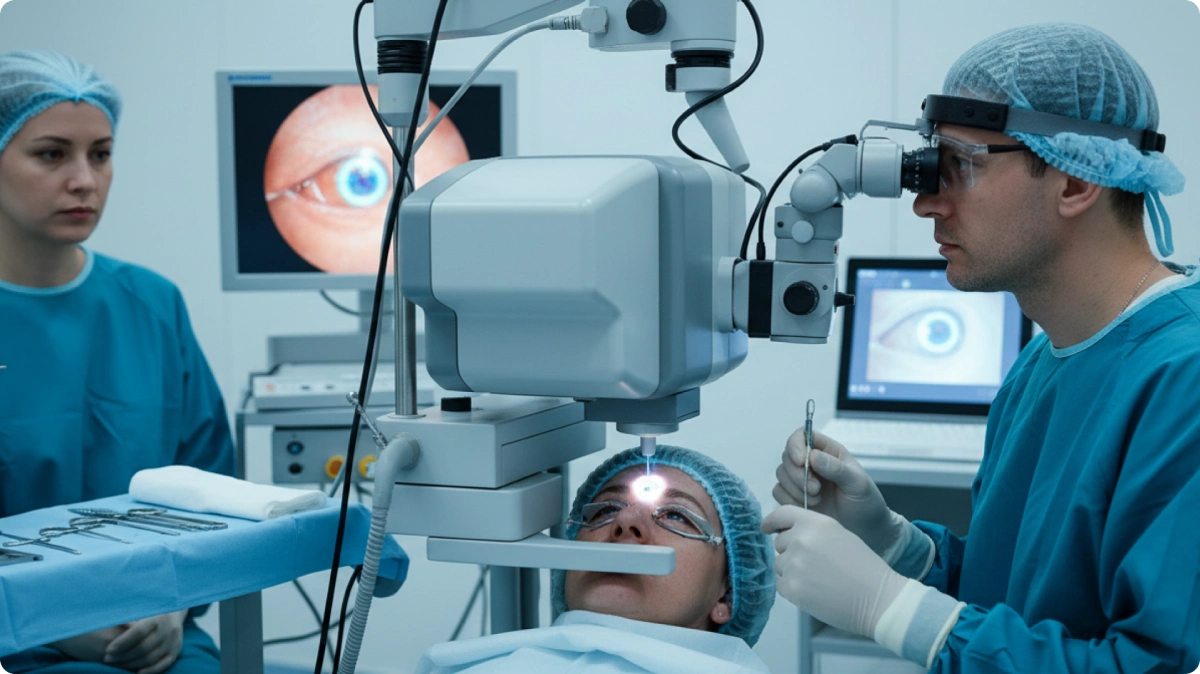
LASIK (Laser Assisted In Situ Keratomileusis) is a popular refractive eye surgery designed to correct vision issues such as myopia, hyperopia, and astigmatism.
While the procedure boasts a high success rate and rapid recovery time, recent research highlights the significant impact of environmental factors on LASIK outcomes.
Understanding how elements like pollution and UV exposure affect LASIK results can help patients and doctors take proactive measures to ensure the success and longevity of the surgery.
In this article
- LASIK reshapes the cornea to correct nearsightedness, farsightedness, and astigmatism.
- The procedure is FDA-approved, safe, and uses modern laser technology for precision.
- Candidates should be over 18, have a stable prescription, and healthy corneas.
- Short-term side effects can include dry eyes, halos, glare, or temporary vision fluctuations.
- Most patients achieve stable, long-term vision improvement and are satisfied with results.
- LASIK doesn’t stop natural age-related changes, so reading glasses may still be needed later.
Pollution and LASIK Outcomes
Pollution, particularly in urban areas, poses a considerable threat to eye health. Airborne pollutants, such as particulate matter, nitrogen dioxide, and ozone, can cause chronic irritation and inflammation of the eyes. For LASIK patients, these factors can compromise healing and lead to complications.
⇒Key Points:
1.Inflammation: Pollutants can exacerbate inflammation, delaying the healing process and increasing the risk of postoperative complications such as dry eye syndrome and infection.
2.Allergic Reactions: Airborne allergens can trigger ocular allergies, further impeding recovery and potentially altering the long-term stability of LASIK results.
3.Tear Film Disruption: Pollutants can disrupt the tear film, leading to dryness and discomfort, which can affect the clarity of vision postLASIK.




(Put Real times images and shorts of Dr Avdaith Sai Consulting, Operating on Patients)

Watch Patient Journeys

Visit Our Centre
UV Exposure and LASIK Longevity
Ultraviolet (UV) radiation from the sun is another critical environmental factor that influences LASIK outcomes. Excessive UV exposure can harm the cornea and interfere with the healing process, impacting the longevity of the surgery.
⇒Key Points:
1.Corneal Damage: UV rays can damage the corneal cells, leading to haze, scarring, and other complications that might reduce the effectiveness of LASIK.
2.Photokeratitis: Prolonged UV exposure can cause photokeratitis, a painful condition similar to sunburn, which can significantly hinder postLASIK recovery.
3.Pterygium Formation: Chronic UV exposure can lead to the development of pterygium, a growth on the eye’s surface that can affect vision and potentially necessitate additional surgical intervention.
Are You the Right Candidate for LASIK?
Fill the form & we will tell you if LASIK is right for you. Its Free!
Mitigating Environmental Risks Post LASIK
To maximize LASIK success and ensure the longevity of the results, patients should take specific measures to protect their eyes from environmental hazards.
⇒Practical Tips:
1.Wear Protective Eyewear: Invest in high quality sunglasses that offer 100% UV protection to shield your eyes from harmful radiation.
2.Stay Indoors During High Pollution Levels: On days with high air pollution, minimize outdoor activities and keep windows closed to reduce exposure.
3.Use Artificial Tears: Keep your eyes lubricated with preservative-free artificial tears, especially in dry or polluted environments.
4.Follow PostOperative Care Instructions: Adhere strictly to your surgeon’s postoperative care guidelines to support optimal healing.
Conclusion
While LASIK surgery offers a pathway to improved vision, environmental factors such as pollution and UV exposure play a crucial role in determining the procedure’s success and longevity.
By understanding these risks and taking proactive steps to mitigate them, patients can enhance their LASIK outcomes and enjoy a clearer vision for years to come.
LASIK for Pilots in India: A Guide to Vision Standards & Safety
LASIK for pilots in India: DGCA rules, Armed Forces standard…
AI in LASIK Surgery: How Artificial Intelligence Is Transforming Vision Correction (2026)
SMILE Pro preserves 80% more corneal nerves than LASIK by us…
Wavelight Plus Corneal Mapping: How 100,000 Elevation Points Transform Vision Correction
Discover how Wavelight Plus corneal mapping uses 100,000 el…