
The Do’s And Don’ts Post EVO ICL Surgery
If you’ve just had EVO ICL surgery or are preparing for it, you’re probably wondering how to take care of your eyes in the days and weeks that follow.
Medically Reviewed By:
Dr Advaith Sai Alampur
Leading LASIK & Refractive Surgery Expert
Condition:
Treatment:


The good news? Recovery is typically smooth and fast—as long as you follow the right aftercare practices.
In this guide, we’ll cover the complete list of do’s and don’ts after EVO Implantable Collamer Lens (ICL) surgery, ensuring your recovery is as seamless as possible. By the time you finish reading, you’ll feel prepared, confident, and reassured.
In this article
- LASIK reshapes the cornea to correct nearsightedness, farsightedness, and astigmatism.
- The procedure is FDA-approved, safe, and uses modern laser technology for precision.
- Candidates should be over 18, have a stable prescription, and healthy corneas.
- Short-term side effects can include dry eyes, halos, glare, or temporary vision fluctuations.
- Most patients achieve stable, long-term vision improvement and are satisfied with results.
- LASIK doesn’t stop natural age-related changes, so reading glasses may still be needed later.
Why Following Post-Surgery Guidelines is Crucial?
Before we jump into the list, it’s important to understand why post-operative care matters so much. The success of EVO ICL surgery doesn’t end in the operating room.
Your adherence to aftercare instructions directly affects your recovery speed, comfort, and long-term vision clarity. Neglecting these measures could lead to complications like prolonged dryness, infection, or even issues with the implant’s placement.
I once had a patient, sudhir, who tended to overdo things because he “felt great” just two days after his procedure. Unfortunately, he didn’t take his recovery seriously. He started lifting weights too soon and missed a couple of eye-drop sessions, which led to some irritation in his left eye.
Thankfully, we managed the issue early, but it was a wake-up call for him—and it shows why it’s worth giving your eyes the TLC they need during this time.
Now, let’s explore what you should and shouldn’t do after EVO ICL surgery.



(Put Real times images and shorts of Dr Avdaith Sai Consulting, Operating on Patients)

Watch Patient Journeys

Visit Our Centre
1. Do Follow Your Doctor’s Instructions
Your surgeon will provide detailed instructions tailored to your situation. These will likely include using prescribed antibiotic and anti-inflammatory eye drops to prevent infection and reduce inflammation. Stick to the dosage schedule religiously.
If your eye doctor instructs you to see them within 24 to 48 hours of the surgery, don’t skip this appointment—it’s crucial for ensuring your eyes are healing properly.
2. Do Rest Your Eyes
Immediately after surgery, your eyes will need adequate rest. Avoid staring at screens or exposing your eyes to bright light. Sit back, relax, and keep your activities to a minimum for at least the first day or two.
3. Do Wear Your Protective Eye Shield
You’ll be given a protective eye shield to wear, especially at night. It prevents accidental contact or rubbing of your eyes while you sleep. Make sure to wear it securely for at least the first week.
4. Do Stay Hydrated
Drinking plenty of water helps your eyes stay lubricated and supports overall healing. Dehydration can worsen post-operative dryness, which is a common symptom after EVO ICL surgery.
5. Do Report Any Unusual Symptoms
If you experience severe pain, abrupt vision changes, or excessive redness, inform your doctor immediately. While rare, these symptoms could indicate complications that need prompt treatment.
6. Do Use Sunglasses Outdoors
Your eyes will be sensitive to sunlight and bright lights for a few weeks. Invest in a good pair of sunglasses (preferably polarised) to protect your eyes when outdoors.
Are You the Right Candidate for LASIK?
Fill the form & we will tell you if LASIK is right for you. Its Free!
1. Don’t Rub Your Eyes
Resist the urge to rub, press, or scratch your eyes, even if they feel dry or itchy. Rubbing can disrupt the healing process and increase the risk of infection or displacement of the lens.
One of my patients, Sarah, had a bad habit of rubbing her eyes when tired. After her surgery, this eventually caused slight irritation that prolonged her recovery. It’s a small but essential habit to break.
2. Don’t Skip Your Medications
Even if your eyes feel fine, don’t stop using your prescribed drops prematurely. These medications prevent complications like infection or inflammation, even when you’re not aware of any symptoms.
3. Don’t Expose Your Eyes to Water
Avoid swimming pools, hot tubs, and even shower water running directly into your eyes. Bodies of water can harbour bacteria that may cause infections during this vulnerable healing phase.
If you must shower, tilt your head back and avoid splashing water near your eyes.
4. Don’t Resume Vigorous Activities Too Soon
Heavy lifting, strenuous exercise, or activities that involve bending over can increase eye pressure and hinder the healing process. Take at least two weeks off from intense physical activity and consult your doctor before resuming.
5. Don’t Wear Eye Makeup
Eye makeup, like mascara, eyeliner, or eyeshadow, should be avoided for at least two weeks to prevent any irritation or introduction of bacteria near the eye.
6. Don’t Drive Immediately
You’ll likely notice improved vision immediately after your procedure, but it may take a day or two to stabilise. Avoid driving until your doctor confirms it’s safe.
1. How Long Is the Recovery Period?
EVO ICL surgery generally has a short recovery time. Most individuals return to daily activities within a few days, but full healing can take up to a month. Your first follow-up appointment will provide insights into how well your eyes are healing.
2. Will I Experience Pain?
Some mild discomfort, like dryness, light sensitivity, or a foreign body sensation, is normal during the first week. These symptoms should subside with prescribed medications. Severe pain, however, isn’t normal—reach out to your surgeon if this occurs.
3. What If My Vision Fluctuates?
Mild fluctuations in vision during the first few weeks are normal as your eyes adjust to the implanted lenses. Be patient, and give your eyes time to adapt before expecting perfect clarity.
Tips for Faster Recovery and Maximum Comfort
Use lubricating artificial tears if your eyes feel dry (check with your doctor first to ensure you’re using the appropriate type).
Sleep on your back to minimise pressure on your eyes.
Avoid dusty or dirty environments during the initial healing phase.
Recovering from EVO ICL surgery is a team effort between you and your doctor. By committing to proper aftercare and being mindful of what helps and harms the healing process, you’ll set yourself on the road to perfect vision.
Remember, your eyes are precious—taking those extra steps to care for them will reward you with stunning visual clarity for years to come.
If you’re preparing for surgery or have any lingering questions about post-op care, don’t hesitate to reach out to your surgeon for personalised advice. Trust the process, give your eyes the care they deserve, and look forward to a brighter, clearer future.
What to expect after endothelial keratoplasty (DSAEK/DMEK):
Vision may be blurry at first, then steadily improve over days to weeks.
You’ll use eye drops to prevent rejection.
You’ll need regular follow-ups to ensure everything is healing well.
Most people return to daily activities within 2-4 weeks.
The new endothelial cells are from a healthy donor, so Fuchs dystrophy doesn’t “come back” in the transplanted tissue.
However, long-term care and check-ups are essential because other eye conditions (like glaucoma or cataract) may need attention over time.
This is an exciting time in eye care! Research is ongoing into:
✅Cell therapy — injecting lab-grown endothelial cells into the eye
✅Gene therapy — still in early stages, but promising for future generations
For now, 👉DMEK and DSAEK remain the best proven treatments.
1.Stay on top of regular eye check-ups
2. Wear sunglasses to reduce glare
3.Avoid smoking (it may speed up progression)
4. Keep blood sugar under control if you have diabetes
Q: Can glasses or contact lenses fix vision in Fuchs dystrophy?
A: Not really. The problem lies in corneal clarity, not lens focus.
Q: Can eye drops cure Fuchs dystrophy?
A: No. Drops can help symptoms temporarily but don’t stop or reverse the disease.
Q: How do I know when it’s time for surgery?
A: When vision stays blurry despite drops, affects daily activities, or if your eye doctor sees worsening swelling or scarring.
For ✅early stages, hypertonic saline drops and conservative measures work well.
For ✅moderate to advanced stages, DMEK or DSAEK surgery offers the best outcomes — clear vision, fast recovery, low rejection risk.
👉Doctor’s reassurance: “If you or a loved one is facing Fuchs dystrophy, take heart. Today’s treatments are highly effective. My patients often tell me they wish they’d gone for surgery sooner once they see how much their vision improves.”
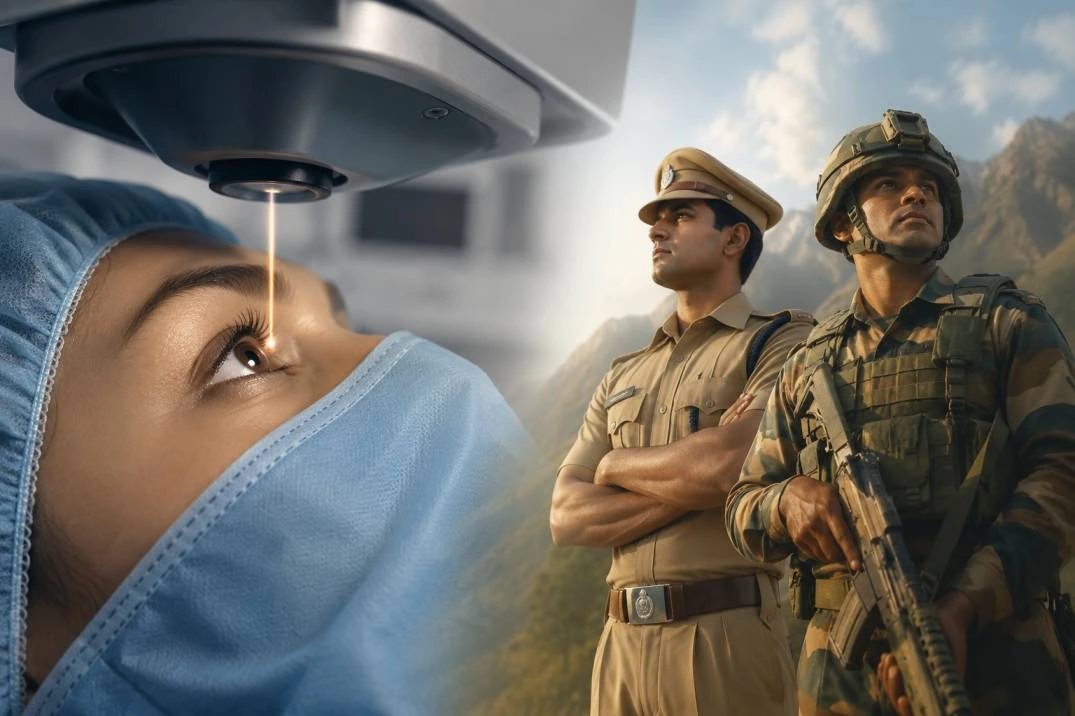
Why Is SMILE Pro the Safest Laser Eye Surgery for Police and Military Aspirants in India?
Unlike LASIK, which creates a corneal flap that poses a life…

Flap Dislocation: Real-World Risks for Athletes and Contact Sports Players
Concerned about LASIK flap dislocation during sports? Learn …
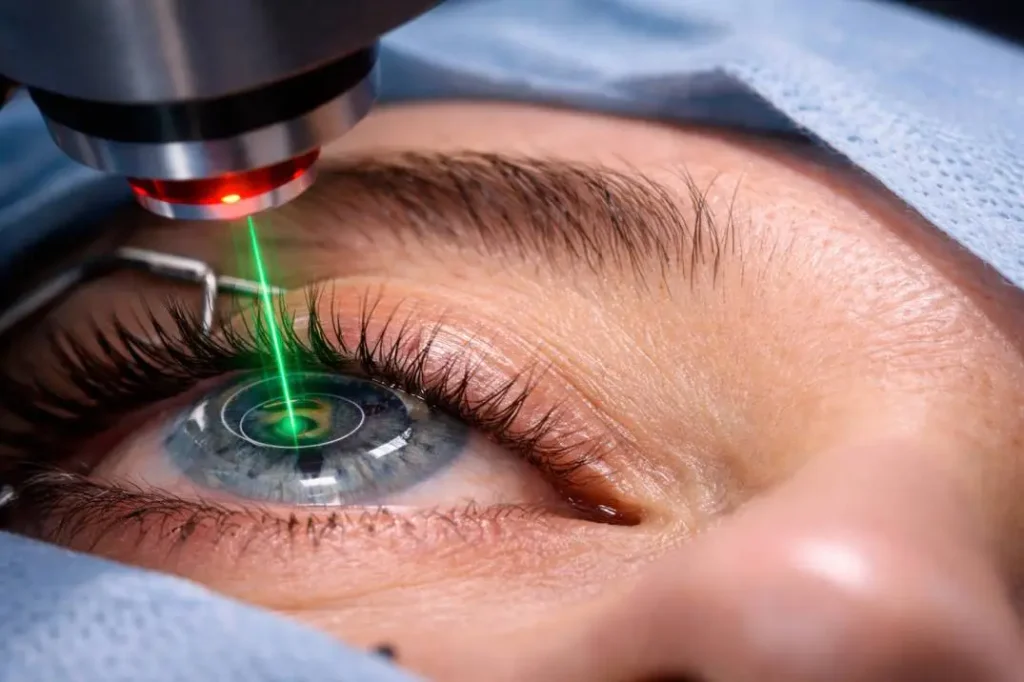
What Happens If I Blink During the SMILE Pro 10-Second Laser?
Dr. Advaith Alampur explains why you can’t blink during the …