
Can Eye Makeup Cause Eye Problems?
Can eye makeup cause infections or dry eye? Learn risks, safe tips, and warning signs to protect your eyes while enjoying makeup.
Medically Reviewed By:
Dr Advaith Sai Alampur
Leading LASIK & Refractive Surgery Expert
Condition:
Treatment:
LASIK
(Laser Eye Surgery)

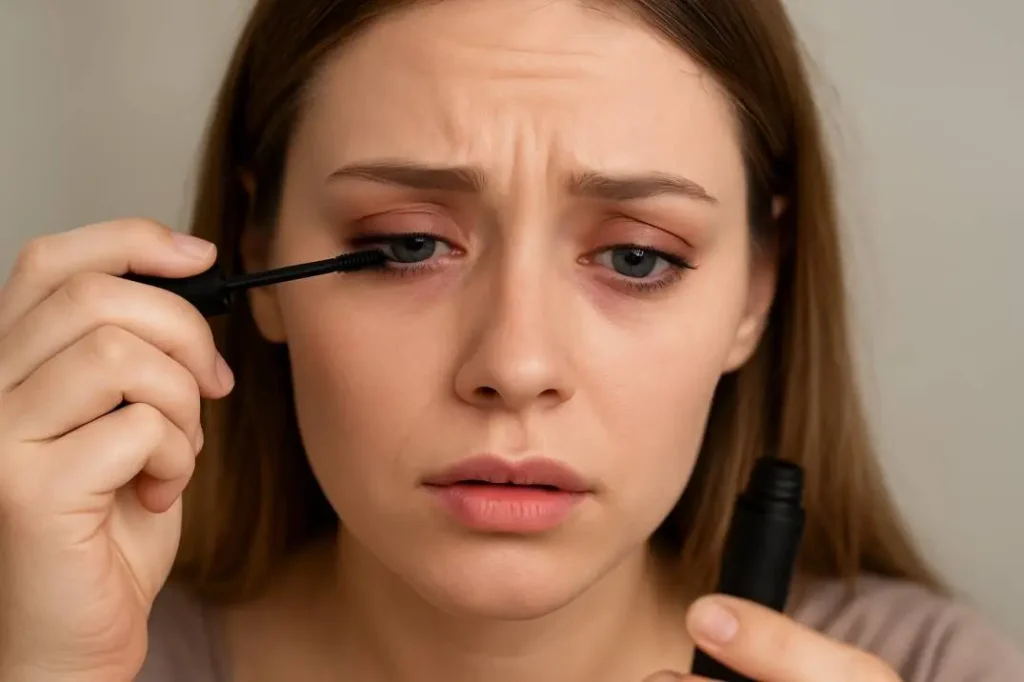
If you love eyeliner, mascara, or a smoky eye, you’re not alone. As your doctor, I’m often asked, “Can eye makeup cause eye problems?” The short answer is yes—makeup can irritate the eyes or trigger infections—but with smart habits, most people can wear it safely.
In this guide, I’ll walk you through the risks, how to spot trouble early, and practical steps to keep your eyes healthy while still enjoying your routine.
What you’ll learn:
- The most common eye issues linked to makeup—and how they happen
- Who’s most at risk and when to be cautious
- How to choose and apply products safely
- Red flags that mean you should stop and seek help
- A simple, doctor-approved routine for healthy eyes and happy lids
In this article
- LASIK reshapes the cornea to correct nearsightedness, farsightedness, and astigmatism.
- The procedure is FDA-approved, safe, and uses modern laser technology for precision.
- Candidates should be over 18, have a stable prescription, and healthy corneas.
- Short-term side effects can include dry eyes, halos, glare, or temporary vision fluctuations.
- Most patients achieve stable, long-term vision improvement and are satisfied with results.
- LASIK doesn’t stop natural age-related changes, so reading glasses may still be needed later.
How Can Eye Makeup Affect Your Eyes?
Eye makeup sits close to delicate structures: the eyelids, lashes, tear film, and the surface of the eye. Small changes—like blocked oil glands or tiny scratches—can lead to bigger problems if ignored.
The tear film and your lids: why they matter
- Your tear film keeps the eye smooth and protected. Particles from makeup can destabilise it, leading to dryness and irritation.
- The eyelid margin has meibomian glands that release oil to prevent tears from evaporating. Lining the “waterline” (the inner rim) can clog these glands, causing dry eye or inflammation.
Common problems linked to eye makeup
- Irritation and dry eye: Fragrances, preservatives (like parabens or formaldehyde releasers), or glitter can irritate the surface. Waterproof products may worsen dryness because they’re harder to remove.
- Blepharitis (inflamed eyelids): Build-up along the lash line or old mascara can feed bacteria and mites (Demodex), leading to red, itchy lids and crusting.
- Styes and chalazia: Blocked oil glands can become tender lumps or swollen nodules.
- Conjunctivitis (pink eye): Using expired products, shared makeup, or contaminated brushes can introduce bacteria or viruses.
- Corneal abrasions: Bits of glitter, flaky mascara, or a poked brush can scratch the eye surface. Contact lens wearers are especially vulnerable.
- Allergic contact dermatitis: Red, swollen, itchy lids may be a reaction to a specific ingredient, such as fragrance, nickel, or certain dyes.
- Pigment deposits and tattoo eyeliner risks: Semi-permanent lash liner and certain pigments can cause chronic irritation or pigment migration in rare cases if not performed by trained professionals.




(Put Real times images and shorts of Dr Avdaith Sai Consulting, Operating on Patients)

Watch Patient Journeys

Visit Our Centre
Who Is Most at Risk?
- Contact lens wearers: Lenses can trap particles and reduce oxygen, raising infection risk if hygiene is poor.
- People with dry eye, rosacea, eczema, or blepharitis: Lids are already sensitive; makeup can tip them into a flare.
- Post-surgery patients: After LASIK, cataract surgery, or eyelid procedures, the eye surface is healing. Avoid makeup until your surgeon clears you—usually at least 1–2 weeks for lids and longer for lashes.
- Those with allergies or sensitive skin: Patch testing new products on the forearm can help predict reactions.
Are You the Right Candidate for LASIK?
Fill the form & we will tell you if LASIK is right for you. Its Free!
Is Waterline Eyeliner Safe?
Tightlining looks great, but it’s a common trigger for meibomian gland blockage and dry eye. The inner rim sits on the tear film and gland openings; lining over this area can:
- Reduce oil flow
- Increase bacteria on the lid margin
- Allow pigment to mix into your tears
If you’re prone to dryness or wear contacts, it’s best to avoid the waterline and line just outside the lash roots instead.
What About Ingredients? What to Look For
- Preservatives: Necessary to prevent contamination, but some (e.g., benzalkonium chloride, quaternium-15) are more irritating. Sensitive eyes do better with gentler preservatives and shorter ingredient lists.
- Fragrance: Common cause of allergic reactions on lids. “Fragrance-free” is safer than “unscented.”
- Glitter and loose pigments: Larger particles can scratch; avoid chunky glitter near the eyes. Pressed, finely milled shimmer is safer.
- Waterproof formulas: Long-wear is convenient but tougher to remove. If you use waterproof mascara or liner, choose a gentle, ophthalmologist-tested remover.
- Fibres in mascaras: Tubing and lengthening mascaras use fibres that can flake into the eye. If you notice irritation, switch formulas.
Safe Makeup Practices Your Eyes Will Thank You For
Hygiene habits that make the biggest difference
- Wash hands before applying or removing makeup.
- Don’t share eye products or brushes. Ever.
- Keep applicators and brushes clean. Wash eye brushes at least weekly with a mild, fragrance-free cleanser; let them dry fully.
- Close products tightly after use and avoid storing them in hot, humid places.
Expiry timelines (simple rule of thumb)
- Mascara and liquid eyeliner: Replace every 3 months, sooner if it smells odd, thickens, or after an eye infection.
- Pencil liners and pressed powders: 12–24 months if capped and sharpened regularly. Disinfect sharpeners too.
- Cream shadows: 6–12 months due to higher contamination risk.
If you’ve had conjunctivitis or a stye, replace any products used during that time.
Application: technique matters
- Avoid the waterline. Apply liner just outside the lash line.
- Keep mascara off the base of lashes to reduce blockage of oil glands.
- Don’t apply makeup in a moving vehicle. Sudden bumps lead to scratches.
- Put contacts in before makeup; remove contacts before taking makeup off to avoid trapping residue under the lens.
Removal: be thorough and gentle
- Remove makeup every night. Sleeping in mascara raises the risk of lash breakage, irritation, and infection.
- Use a gentle, oil-based or micellar remover on a soft cotton pad. Press and hold for 10–15 seconds, then wipe—no harsh rubbing.
- Follow with a warm compress for 5 minutes to keep meibomian glands clear if you’re prone to dryness or blepharitis.
Special Topics Patients Ask About
Lash extensions and lifts
- Extensions can strain natural lashes and make lid hygiene harder. Adhesives may contain cyanoacrylates that can irritate or cause allergy.
- If you choose extensions, pick a reputable salon with strict hygiene. Clean the lash line daily with a dedicated, oil-free lash cleanser. Take breaks to allow natural lashes to recover.
Lash serums
- Over-the-counter serums often rely on peptides. Prescription prostaglandin analogues (like bimatoprost) can darken eyelid skin, cause redness, or in rare cases change iris colour in light eyes. Use only under medical guidance and avoid contact with the eye surface.
Permanent makeup (tattoo eyeliner)
- Risks include infection, allergic reaction to pigments, scarring, and chronic irritation. Choose an experienced practitioner, ensure sterile technique, and follow aftercare strictly. Avoid if you have active eyelid disease.
Mineral and “natural” makeup
- “Natural” doesn’t always mean safer. Plant extracts and essential oils can irritate lids. Prioritise simple, fragrance-free formulas over marketing claims.
Signs Your Eye Makeup Is Causing Trouble
Stop using eye products and seek advice if you notice:
- Sudden redness, pain, light sensitivity, or blurred vision
- A persistent lump, swelling, or tenderness on the lid
- Itchy, scaly, or weeping skin around the eyes
- Mucus discharge or glued-shut lashes in the morning
- A feeling that something is in your eye that doesn’t go away
If you wear contacts, switch to glasses until symptoms settle and get assessed. For severe pain, marked light sensitivity, or vision changes, seek urgent care.
A Doctor-Approved Routine for Eye-Healthy Makeup
Morning:
- Warm compress for 3–5 minutes if you’re prone to dryness.
- Cleanse lids with a gentle, non-soap cleanser.
- Apply preservative-free lubricating drops before makeup if your eyes feel dry.
Use eyeliner outside the lash line and a non-fibre, ophthalmologist-tested mascara.
Daytime:
- Carry sterile lubricating drops if screens dry your eyes.
- Avoid rubbing; dab the corner if eyes water.
Evening:
- Remove contacts first.
- Dissolve makeup with a gentle remover; no scrubbing.
- Warm compress and lid massage to keep glands clear if needed.
- Apply lubricating drops before bed if recommended.
Can You Wear Eye Makeup If You Have Dry Eye?
Yes, with care:
- Avoid waterline lining and waterproof formulas.
- Choose cream shadows that don’t flake, or tight, finely milled powders.
- Use preservative-free artificial tears before and after wearing makeup.
- Prioritise lid hygiene and gland-friendly habits like warm compresses.
Bottom Line: Balance Beauty and Eye Health
Eye makeup can contribute to irritation, dryness, infections, and blocked glands—especially if products are old, applied on the waterline, or removed poorly. But you don’t have to give up makeup to protect your eyes. With clean tools, fresh products, careful application, and prompt attention to symptoms, most people can wear eye makeup safely.
If you’ve had recurring styes, persistent dryness, or reactions to multiple products, book an eye check. We can examine your lids and tear film, recommend suitable products, and create a plan that keeps your eyes comfortable without sacrificing your routine.

Flap Dislocation: Real-World Risks for Athletes and Contact Sports Players
Concerned about LASIK flap dislocation during sports? Learn …
LASIK for Pilots in India: A Guide to Vision Standards & Safety
LASIK for pilots in India: DGCA rules, Armed Forces standard…
AI in LASIK Surgery: How Artificial Intelligence Is Transforming Vision Correction (2026)
SMILE Pro preserves 80% more corneal nerves than LASIK by us…