
Who Is A Good Candidate For LASIK Surgery?
A good candidate for LASIK surgery is an adult with a stable prescription, healthy eyes, adequate corneal thickness, good overall health, and realistic expectations about the results and recovery.
Medically Reviewed By:
Dr Advaith Sai Alampur
Leading LASIK & Refractive Surgery Expert
Condition:
Myopia
(Near sightedness)
Treatment:
LASIK
(Laser Eye Surgery)

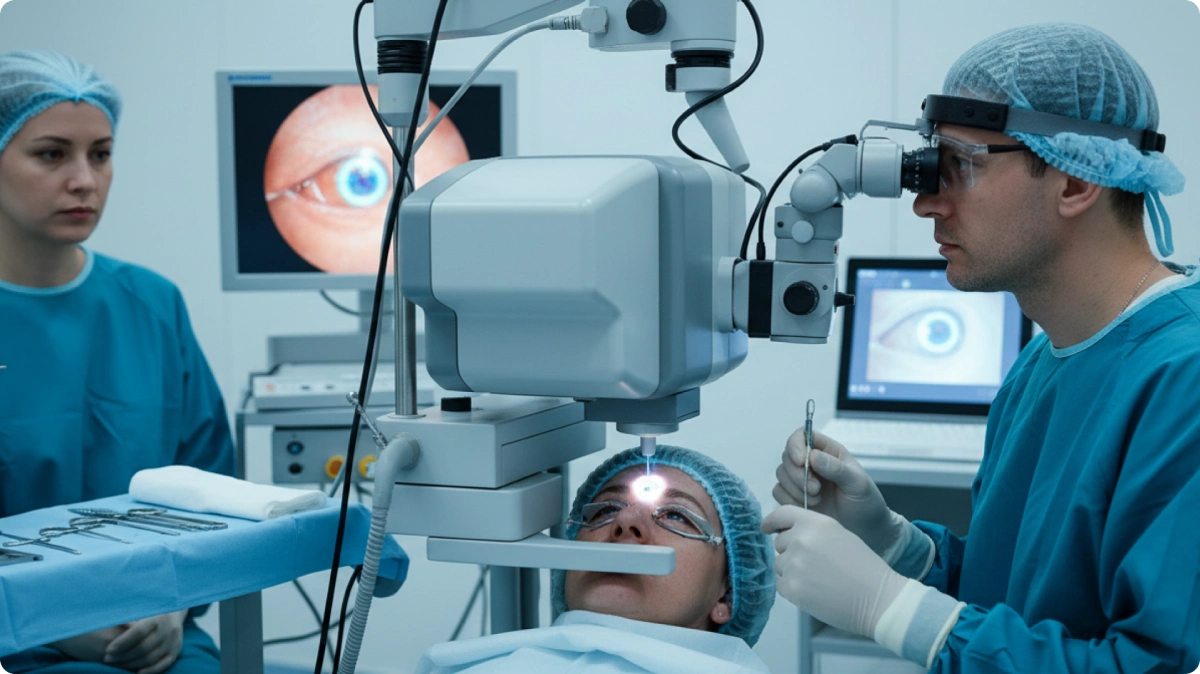
Imagine waking up in the morning, yawning as sunlight filters through your window. You open your eyes, and for the first time, everything is sharp, bright, and crystal clear—and you didn’t even reach for your glasses.
Sounds dreamy, right? LASIK surgery has turned this dream into a reality for millions of people.
But before jumping in, it’s natural to wonder—“Can I get LASIK too?” The answer depends on your unique eyes and health.
This guide will break everything down in simple terms to help you figure out if LASIK could be the right choice for you.
In this article
- LASIK reshapes the cornea to correct nearsightedness, farsightedness, and astigmatism.
- The procedure is FDA-approved, safe, and uses modern laser technology for precision.
- Candidates should be over 18, have a stable prescription, and healthy corneas.
- Short-term side effects can include dry eyes, halos, glare, or temporary vision fluctuations.
- Most patients achieve stable, long-term vision improvement and are satisfied with results.
- LASIK doesn’t stop natural age-related changes, so reading glasses may still be needed later.
Summary
1.You should be at least 18 years old and have a stable eye prescription for the past 12 months.
2.Your eyes must be healthy, with no severe dryness, infections, corneal diseases, or glaucoma, and your cornea must be thick enough for safe treatment.
3.Your overall health should be good, and LASIK should be avoided if you are pregnant or breastfeeding.
4.Your lifestyle or job should not put your eyes at high risk of injury.
5.You must have realistic expectations and be ready for proper after-care like eye drops, follow-up visits, and eye protection.
6.If you are not a suitable candidate, other options like PRK or ICL may be recommended, and cost should also be considered before choosing surgery.




(Put Real times images and shorts of Dr Avdaith Sai Consulting, Operating on Patients)

Watch Patient Journeys

Visit Our Centre
What Makes Someone a Good Candidate for LASIK?
Not everyone’s eyes are the same, which is why LASIK isn’t suitable for everyone. For the best results, surgeons look at several things to ensure the procedure is safe and effective. Let’s explore what makes someone a great LASIK candidate.
1. Age Considerations
The Lasik procedure is approved for adults over 18, but the sweet spot is typically between 18 to 40 years old. Here’s why:
1.By your early 20s, your vision is usually stable, meaning your prescription is less likely to change after surgery.
2.Around your 40s, age-related vision changes like presbyopia (difficulty focusing on close objects) might kick in, requiring other options like monovision LASIK or lens replacement.
If you’re younger than 18, your eyes may still be growing and changing. If you’re older, other vision correction methods might work better depending on your needs.
2. Stable Vision Prescription
For LASIK to work well, your prescription should’ve stayed the same for at least 12 months. If your vision is still changing, it’s better to wait until it stabilizes. Think of it like building a house—you want a sturdy, unchanging foundation for the best results!
3. Healthy Eyes
Your eyes must be in good health for LASIK. Key factors include:
1.No severe dry eye syndrome – LASIK can worsen dry eyes, so this condition needs treatment first.
2.No active eye infections or injuries.
3.No eye diseases like keratoconus (thinning of your cornea) or advanced glaucoma.
If your eyes are healthy and free from these issues, that’s a big check in your favor!
4. General Health Factors
Your overall health also matters:
1.Serious conditions like uncontrolled diabetes or autoimmune disorders can interfere with healing.
2.During pregnancy or breastfeeding, hormonal changes can temporarily affect vision, so LASIK may not be ideal at that time.
If you’re generally healthy and don’t have issues that could complicate recovery, you’re on track to qualify.
5. Corneal Thickness
LASIK works by reshaping your cornea (the front part of your eye), so the cornea needs to be thick enough for safe adjustments. If your cornea is too thin, there are other options like PRK or ICL that might suit you better.
🔹 A Real-Life Example:
When 27-year-old Rohan was fed up with fumbling for his glasses every morning, he booked a LASIK consultation. His surgeon confirmed his vision was stable, his corneas were thick, and his eyes were otherwise healthy. After a quick and painless surgery, Rohan says it’s like living “in HD” every day!
Are You the Right Candidate for LASIK?
Fill the form & we will tell you if LASIK is right for you. Its Free!
Who is NOT a Good Candidate for LASIK? (And What Can You Do Instead?)
1.Medical Conditions That May Disqualify You
Some health or eye conditions make LASIK unsuitable, such as:
1.Pregnancy or breastfeeding, which can temporarily change your vision.
2.Advanced dry eye syndrome, as it can worsen post-LASIK discomfort.
3.Conditions like keratoconus (a weak, thinning cornea) or glaucoma.
If any of these apply to you, LASIK might not be the right choice—at least for now.
2.High-Risk Professions or Lifestyles
Jobs that pose a high risk of eye trauma, such as certain military roles or contact sports, might also make your eye doctor suggest other options.
3.Unrealistic Expectations
LASIK isn’t some magical cure. While it can drastically reduce or eliminate the need for glasses or contacts, perfection isn’t guaranteed. It’s also worth noting that as you age, some vision changes (like presbyopia) are natural and can’t be prevented by LASIK.
⇒ Alternative Vision Correction Options:
Even if LASIK isn’t suitable, there are fantastic alternatives:
1.PRK (Photorefractive Keratectomy): Ideal for thin corneas and delivers comparable results to LASIK.
2.SMILE: A minimally invasive procedure for mild to moderate nearsightedness.
3.ICL (Implantable Contact Lenses): Perfect for those with high prescriptions or thin corneas.
Many people who don’t qualify for LASIK find these options work just as well, if not better, for their specific needs.
⇒Are You Mentally Prepared?
It’s natural to feel nervous about surgery—especially something that involves your eyesight. To ease your concerns:
1.Talk openly with your surgeon. Ask all your questions.
2.Remind yourself that LASIK has an exceptionally high safety record with millions of successful surgeries worldwide.
Being mentally prepared also involves having realistic expectations. LASIK improves vision greatly but won’t prevent age-related issues like presbyopia (needing reading glasses later in life).
⇒Understanding the Cost
Yes, LASIK is a financial investment, with costs ranging from ₹25,000 to ₹1,60,000 per eye in India. But it’s worth looking at the long-term savings. On average:
You’ll save money on glasses, lenses, and solutions.
Many clinics offer financing or payment plans to make LASIK more affordable.
When you think about the lifetime cost of maintaining glasses or contacts, LASIK often pays for itself within a few years.
🔹 Quick Cost Comparison (Over 10 Years):
Correction Method Average Cost
Glasses ₹50,000 – ₹1,00,000
Contact Lenses ₹1,50,000 – ₹2,50,000
LASIK ₹50,000 – ₹1,60,000
LASIK can be more economical if you consider the long view.
Psychological and Financial Readiness
To determine if you’re a candidate, you’ll need a thorough eye checkup. Here’s how to prepare!
⇒Questions to Ask Your Surgeon
1.Is my eye health suitable for LASIK?
2.What results can I realistically expect?
3.Are enhancements or follow-ups covered in the cost?
⇒Checklist for Your Consultation:
Bring:
1.Your medical and vision history.
2.A list of medications (some may impact healing).
Picking an experienced surgeon is also critical to ensuring a safe and successful procedure..
Visit Envision LASIK Centre in Hyderabad for a thorough consultation and personalized treatment plan. Book your appointment today!
Post-LASIK Expectations
⇒Will Your Results Last Forever?
LASIK permanently corrects refractive errors like nearsightedness or astigmatism. However, natural aging (presbyopia) or other changes may require reading glasses or enhancements later in life.
⇒Post-Surgery Care
1.Use eye drops as prescribed to keep your eyes moist.
2.Avoid rubbing your eyes.
3.Wear sunglasses outside to protect against UV rays.
Healthy habits and regular checkups will help maintain your vision long after LASIK.
⇒Common Myths and Facts
1.Myth: LASIK results fade over time.
Fact: For most people, LASIK results last decades.
2.Myth: LASIK is painful.
Fact: Numbing drops ensure it’s painless, and recovery discomfort is mild.
FAQs
Q1. Can LASIK fix astigmatism?
Absolutely, LASIK is highly effective for correcting astigmatism!
Q2. Does LASIK hurt?
Not at all—numbing drops take care of any pain during the procedure.
Q3. What happens if my vision changes after LASIK?
If needed, follow-up enhancements can adjust for minor changes.
Q4. How much does LASIK cost?
It ranges from ₹25,000 to ₹1,60,000 per eye, depending on the clinic and surgeon.
Q5. Is it safe for everyone?
With proper screening, LASIK is one of the safest surgeries available.
If you’re wondering whether LASIK could be the life-changing solution you’ve been looking for, the best way to find out is by scheduling a personalized consultation.
A qualified surgeon will examine your eyes, discuss your goals, and guide you toward the best option for your vision.
Clearer vision might be just one step away—so why wait any longer?
Visit a best hospital for laser eye surgery in Hyderabad and discover if laser eye surgery in Hyderabad is the right choice for you today!
Why Is SMILE Pro the Safest Laser Eye Surgery for Police and Military Aspirants in India?
Unlike LASIK, which creates a corneal flap that poses a life…

Flap Dislocation: Real-World Risks for Athletes and Contact Sports Players
Concerned about LASIK flap dislocation during sports? Learn …
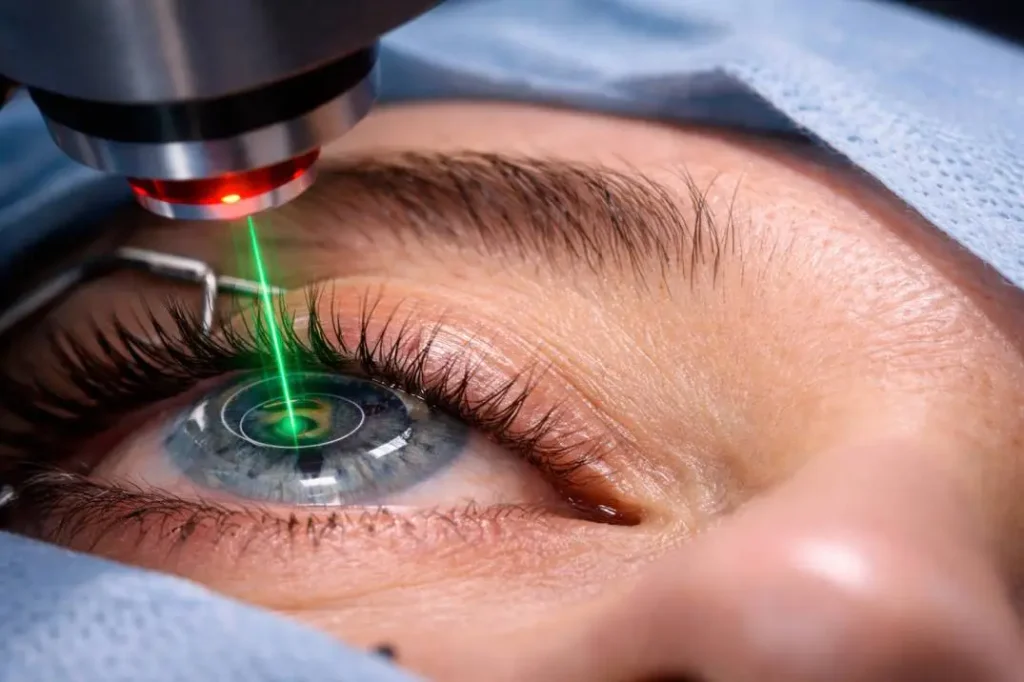
What Happens If I Blink During the SMILE Pro 10-Second Laser?
Dr. Advaith Alampur explains why you can’t blink during the …