
LASIK Recovery Timeline: What To Expect After Surgery
Most people see better within a day, but full LASIK recovery takes months. Follow aftercare, use eye drops, and avoid rubbing your eyes for best results.
Medically Reviewed By:
Dr Advaith Sai Alampur
Leading LASIK & Refractive Surgery Expert
Condition:
Myopia
(Near sightedness)
Treatment:
LASIK
(Laser Eye Surgery)

In this article
- LASIK reshapes the cornea to correct nearsightedness, farsightedness, and astigmatism.
- The procedure is FDA-approved, safe, and uses modern laser technology for precision.
- Candidates should be over 18, have a stable prescription, and healthy corneas.
- Short-term side effects can include dry eyes, halos, glare, or temporary vision fluctuations.
- Most patients achieve stable, long-term vision improvement and are satisfied with results.
- LASIK doesn’t stop natural age-related changes, so reading glasses may still be needed later.
Imagine this—your eyesight is like a fogged-up mirror. For years, you’ve wiped at it with glasses or contact lenses, only to find the fog creeping back.
Then one day, someone clears that mirror for good, and everything becomes bright, vivid, and sharp. That’s the transformation LASIK can offer.
But, just like cleaning a mirror takes gentle care to avoid smudges, your eyes need time and proper care to heal after LASIK.
“How long will recovery take?” you might ask. “Can I go back to work? Is it safe to exercise?” These are natural questions, and this guide will walk you through everything step by step.
By the time you finish, you’ll know exactly what to expect during every stage of your LASIK recovery.




(Put Real times images and shorts of Dr Avdaith Sai Consulting, Operating on Patients)

Watch Patient Journeys

Visit Our Centre
1. Understanding the LASIK Recovery Journey
Healing from LASIK is a process that starts quickly but unfolds gradually.
While many people notice a huge improvement in vision within a day or two, full recovery takes months, and every person’s experience is slightly different.
Think of recovery as a pathway with milestones along the way. Some steps will be quick, while others will take patience.
The good news is that by following your eye surgeon’s guidance and taking care of your eyes, your healing will be steady and predictable.
Now, let’s break it down so you know what to expect.
Are You the Right Candidate for LASIK?
Fill the form & we will tell you if LASIK is right for you. Its Free!
2. The LASIK Recovery Timeline
First 24 Hours After LASIK: The Most Important Phase
Right after your surgery, your eyes will need some time to adjust and start healing. During this period, you may feel mild discomfort—like an itchy or gritty sensation—or sensitivity to light. This is totally normal and temporary.
→What You’ll Likely Experience:
1.Mild blurry or hazy vision (this improves quickly).
2.Watery or teary eyes.
3.A bit of discomfort, which feels like you’ve been staring at a screen too long.
→Essential DOs:
1.Go straight home and rest—sleep helps your eyes begin healing.
2.Use the prescribed eye drops to keep your eyes hydrated and protected from infection.
3.Wear the protective eye shields even while you sleep to avoid accidentally rubbing your eyes.
→Critical DON’Ts:
1.Don’t rub your eyes, no matter how tempting it might feel!
2.Stay away from screens (TV, phone, computer) or anything that strains your eyes.
🔹 Patient Note: A 30-year-old named Priya recalls, “I napped right after the surgery, and when I woke up, I already noticed the world was sharper. Just remember to use your eye drops religiously and rest up.”
Days 2–7: Adjusting to Your New Vision
Within a day or two, most patients notice a dramatic improvement in their vision. You may still experience some fluctuations—vision might feel crystal clear one moment and a bit blurry the next. Dryness or mild halos around lights are also common during this time.
→What to Expect:
1.Your vision starts stabilizing but isn’t perfect yet.
2.You might feel like your eyes are slightly dry, especially in air-conditioned environments.
3.Halos or glare at night might occur but will improve over time.
→Allowable Activities:
1.You can watch TV or scroll through your phone in moderation, but remember to take breaks.
2.It’s okay to shower but be careful—don’t get soap or water in your eyes.
3.Driving may be safe after 24–48 hours, but only if your doctor gives you the go-ahead.
🔹 When to Call Your Doctor:
1.If you feel any severe pain.
2.If you notice extreme redness, discharge, or a sudden drop in vision.
Week 2–4: Settling into Routine
By this time, you’ll feel more comfortable and confident with your new vision. Most people return to work and day-to-day activities during this phase. However, remember that healing is still ongoing.
→What’s Normal:
1.Vision becomes clearer and more stable as the days pass.
2.Temporary dry eye symptoms may linger but can be managed with lubricating drops.
3.You may notice faint starbursts or halos around lights at night—this improves gradually.
→Things You Can Do:
You can start light physical activities like walking or yoga but avoid anything that makes you sweat excessively.
Resume tasks like working on a computer but take regular breaks to avoid eye strain.
Sunscreen and sunglasses are your best friends when stepping outside.
Month 2–6: Fine-Tuning and Long-Term Healing
At this stage, most patients feel like life is back to normal. Vision is clear and consistent, and any temporary side effects (like dry eyes) should be minimal.
→Key Experiences:
Many patients describe this period as “seeing in high definition” because their vision is sharper than they’ve had in decades.
Follow-up appointments are crucial to confirm everything is healing properly.
→Myth Buster:
Does LASIK wear off over time? Nope! LASIK permanently corrects your vision. However, age-related changes like presbyopia are natural and may require reading glasses later in life.
3. What Can Slow Down LASIK Recovery?
Sometimes, healing can take longer for certain people. Here are a few factors that may slow down recovery:
1.Pre-existing dry eyes or eye conditions like large pupils.
2.Smoking, which reduces circulation and slows the healing process.
3.Improper aftercare, such as rubbing your eyes or forgetting to use your eye drops.
To recover quickly, always follow your surgeon’s advice and stay consistent with aftercare practices.
Get the best LASIK care at Envision LASIK Centre, Hyderabad’s top choice for clear vision.
4. Resuming Everyday Activities Post-LASIK
After LASIK surgery, most patients can gradually return to their normal routine, but timing and precautions are important to ensure proper healing.
Driving is usually safe within 24–48 hours, but only after your doctor confirms your vision meets safety standards.
If your work involves using a computer, you can typically resume within 2–3 days; however, it’s important to take frequent breaks and use artificial tears to prevent dryness and eye strain.
Light exercise can generally be restarted after about one week, but you should avoid intense workouts or activities that cause heavy sweating during the early healing phase.
Wearing eye makeup should be postponed for at least two weeks, and when you resume, it’s best to use new, hypoallergenic products to reduce the risk of infection.
Swimming and hot tubs should be avoided for 4–6 weeks, as water exposure can increase the risk of infection; if necessary, protective goggles are strongly recommended.
5. Emotional Well-being During Recovery
It’s completely normal to feel a mix of excitement, impatience, and even worry during recovery. Many people wonder, “Why isn’t my vision perfect yet?” or “Are these side effects normal?”
The answer is simple—healing takes time, and patience is key. Most side effects like halos, dryness, or minor blurriness resolve completely as your eyes continue to adjust. Trust the process.
🔹 Patient Reassurance:
Arjun, a 35-year-old LASIK patient, shares, “I had some dryness and halos at night initially, but by month three, it was all gone. I couldn’t believe how clear everything looked—like upgrading to 4K vision!”
6. Potential Complications
LASIK is very safe, with a high success rate, but being aware of possible complications ensures you’re prepared.
→Temporary Side Effects:
1.Dry eyes (lasts 2–6 months for some).
2.Night vision issues like halos or glare (improves within 3 months).
→Rare Complications:
1.Under- or overcorrection of your prescription.
2.Corneal flap issues (extremely rare with modern LASIK).
Most complications can be managed effectively by staying in touch with your lasik surgeon and attending every follow-up visit.
7. LASIK vs. Other Vision Correction Surgeries
When comparing vision correction procedures, recovery time and suitability vary. LASIK typically offers the fastest recovery, with most patients resuming normal activities within 24 hours to one week, making it ideal for general vision correction.
PRK has a longer recovery period of about 1–2 months and is often recommended for patients with thin corneas or those in occupations where there is a higher risk of eye trauma.
SMILE usually allows recovery within 3–5 days and is a minimally invasive option, often associated with a lower risk of post-surgery dry eyes.
8. Final Tips for a Smooth LASIK Recovery
1.Stick to the eye drop schedule—it’s essential for comfort and healing.
2.Avoid rubbing your eyes or exposing them to water during the early stages.
3.Most importantly, keep up with follow-up visits to monitor your progress.
9. Your LASIK Recovery Story Starts Now!
Recovery from LASIK may require patience, but the results almost always speak for themselves—clear, beautiful vision. Before long, you’ll notice how much easier life becomes without glasses or contacts.
If you’re ready to take the next step, schedule a consultation with a trusted LASIK surgeon in hyderabad Your new vision is waiting for you!
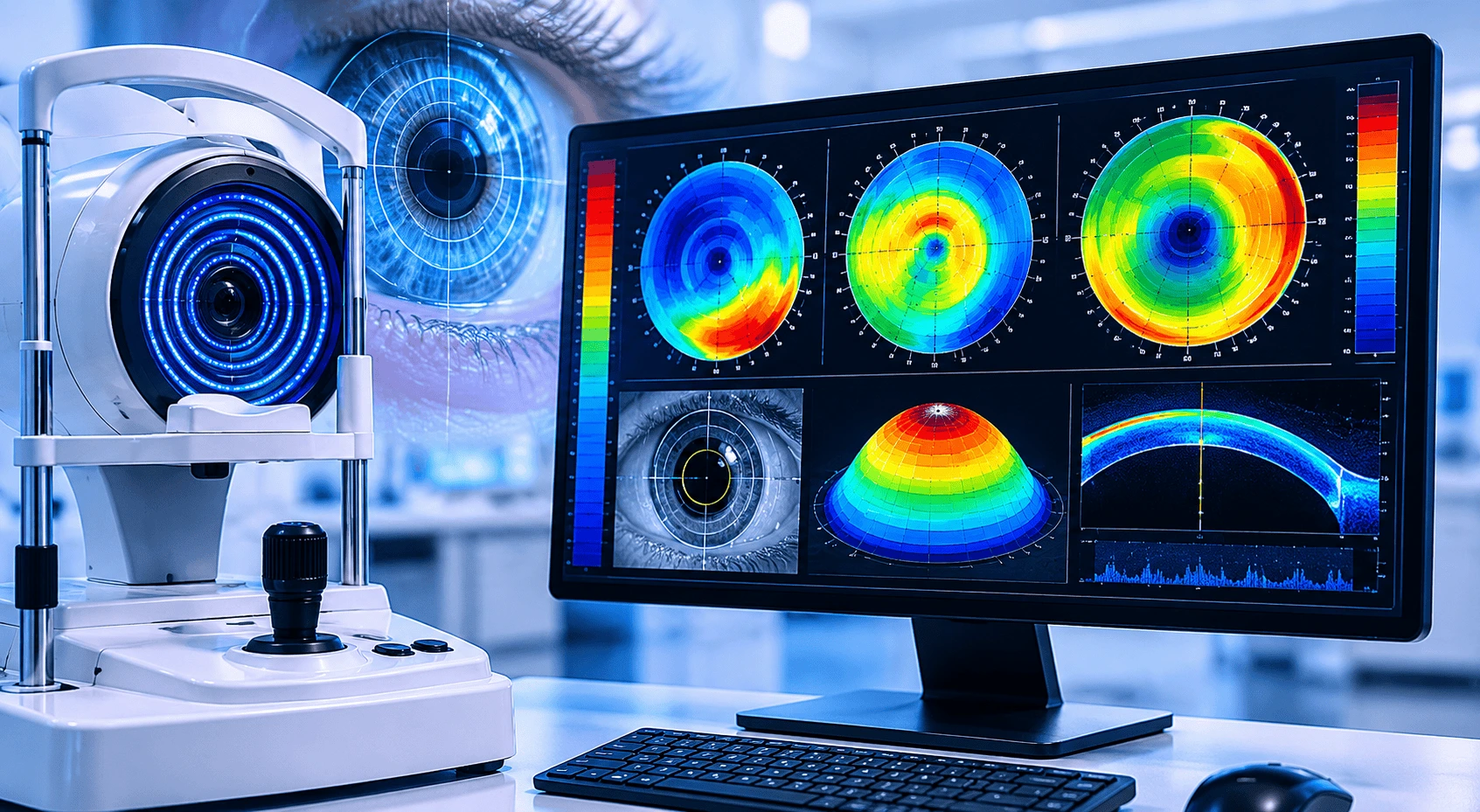
Wavelight Plus Corneal Mapping: How 100,000 Elevation Points Transform Vision Correction
Discover how Wavelight Plus corneal mapping uses 100,000 el…

Why is Wavelight Plus the Best Treatment for Patients with Irregular Astigmatism?
Discover why Wavelight Plus is ideal for irregular astigmati…
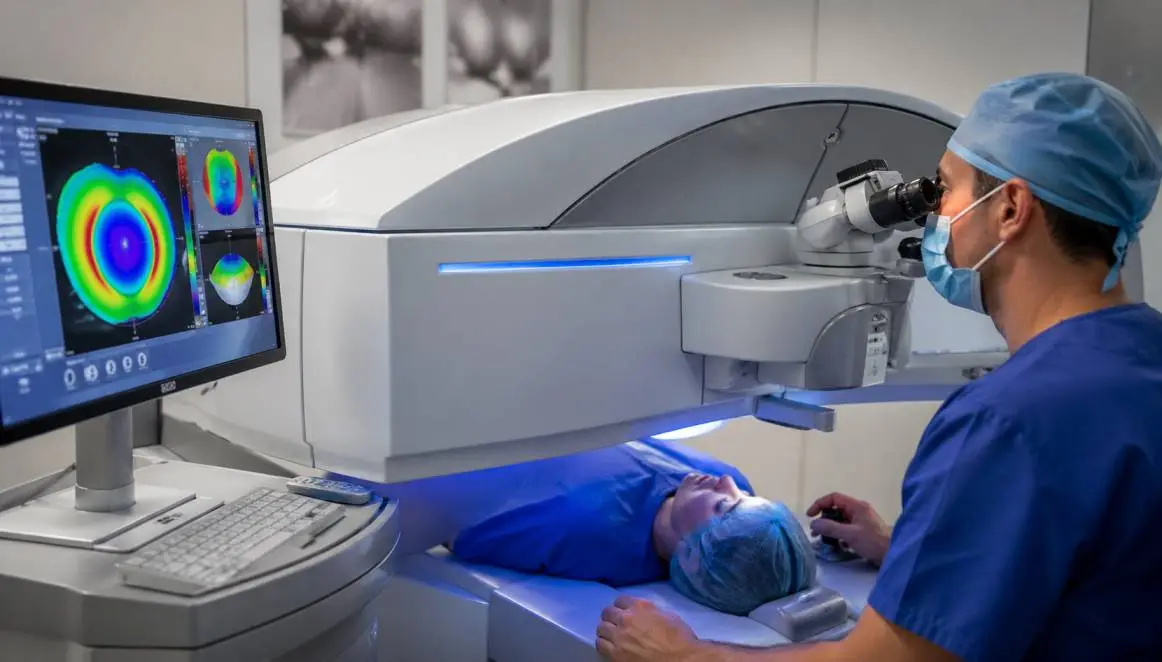
Why Wavelight Plus is Called “Topography-Guided” and Why It Matters for Night Vision?
Wavelight Plus is referred to as “topography-guided” because…