
Eye Health Knowledge Center
Expert insights, latest research, and comprehensive guides on eye health,
vision correction, and surgical procedures from our medical professionals.
Expert Articles
Medical Authors
Medically Reviewed
Monthly Readers

Featured Articles
Explore our selected articles to gain expert knowledge and understanding of the topics.
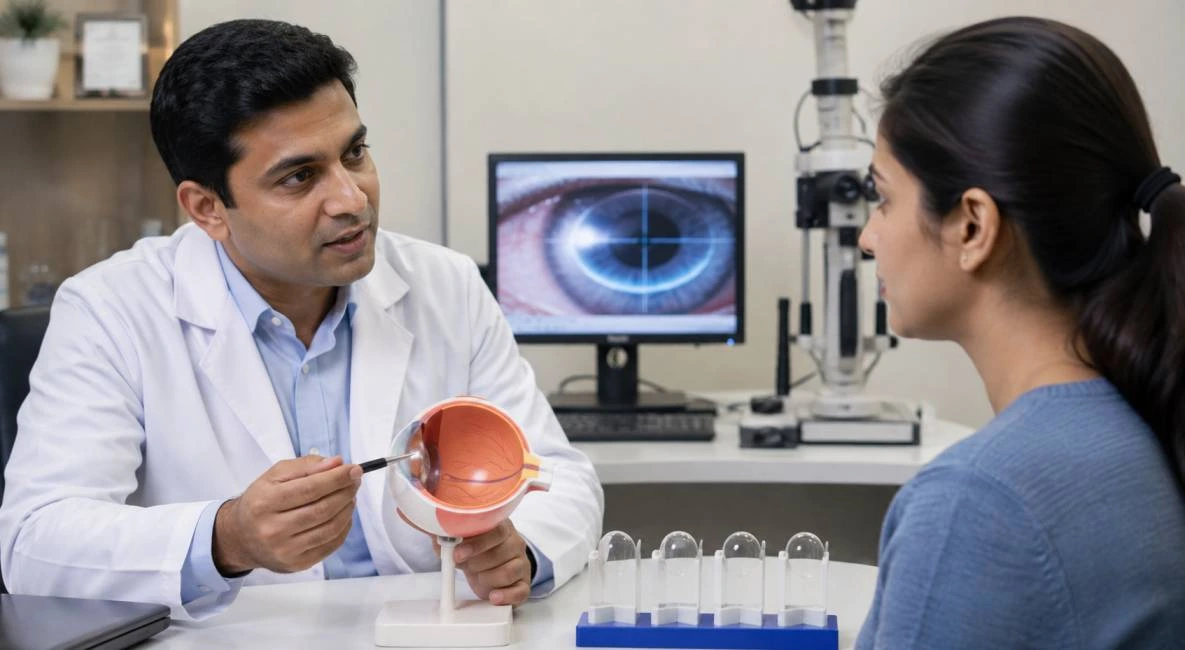
When is PRK Actually Better than LASIK? Hyderabad’s Top LASIK Surgeon Explains
PRK is the preferred procedure for patients with corneas that are too thin to safely create a LASIK flap.
30 Important Questions About SMILE Pro: Patient’s Guide in 2026
Get answers to 30 important SMILE Pro questions, including cost, recovery, safety, eligibility, results, and LASIK comparison in 2026.
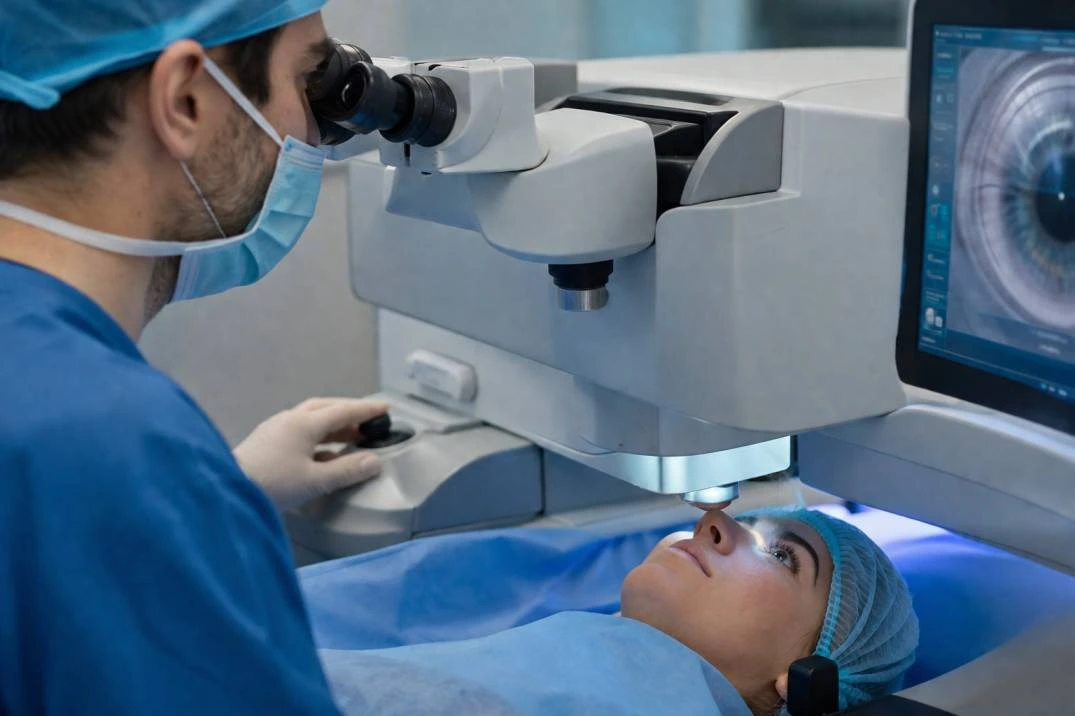
Can the Laser Go Blind? Debunking the Biggest LASIK Myth
Can LASIK Cause Blindness? What the Evidence Actually Shows

Can I Look at a Computer Screen 24 Hours After SMILE Pro?
Yes, it is medically safe to look at a computer screen 24 hours after your SMILE Pro surgery.

How Should You Wash Your Face After LASIK Without Getting Water in Your Eyes?
Learn how to wash your face after LASIK safely. Avoid water in your eyes for 7 days and use a damp cloth to protect healing and prevent infection.
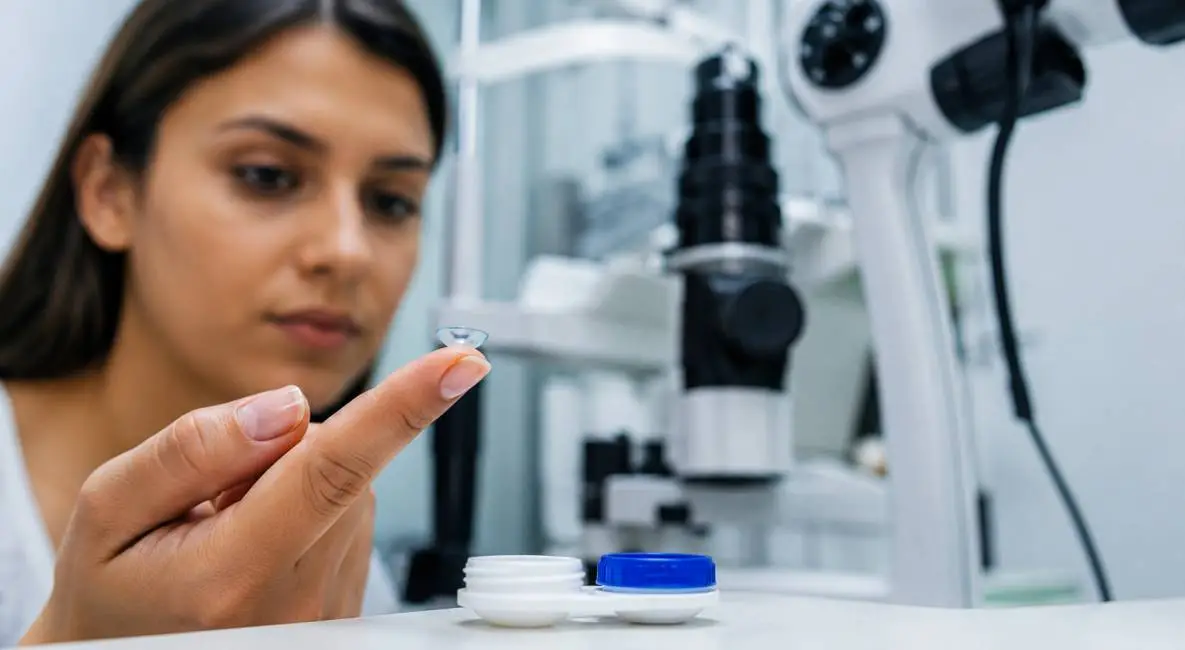
Stop Wearing Contacts 7 Days Before LASIK Screening
Stop wearing contact lenses for at least 7 days before your LASIK screening to ensure accurate corneal scans and the safest, most precise results.

Why Choose SMILE Eye Surgery for Clear Vision?
See clearly without glasses or contacts—choose SMILE eye surgery for quick recovery, less discomfort & long-term vision freedom.

SMILE Eye Surgery Success Rate: What You Need to Know
SMILE eye surgery has a 80–90% 20/20 success rate, 95–99% reach 20/25 or better, with quick recovery and fewer dry eye risks.
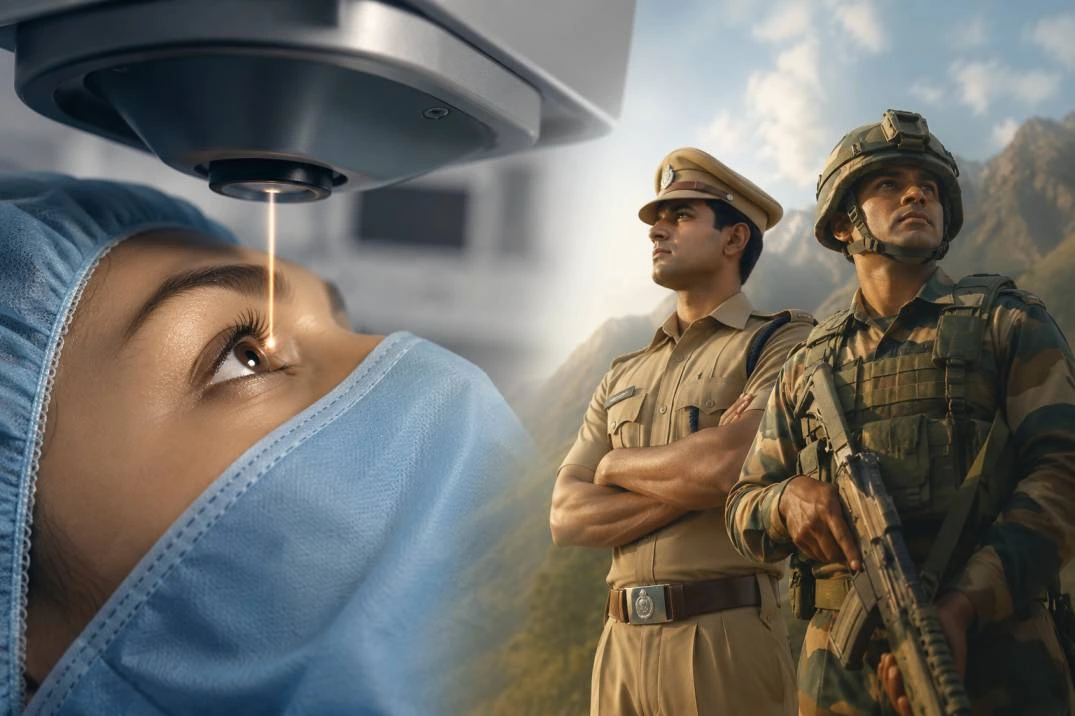
Why Is SMILE Pro the Safest Laser Eye Surgery for Police and Military Aspirants in India?
Unlike LASIK, which creates a corneal flap that poses a lifelong risk of dislocation during combat or physical training, SMILE Pro is a flapless, keyhole procedure.

Flap Dislocation: Real-World Risks for Athletes and Contact Sports Players
Concerned about LASIK flap dislocation during sports? Learn the real risks for athletes, why SMILE Pro and PRK are safer flapless alternatives, and how to protect your vision after laser eye surgery.
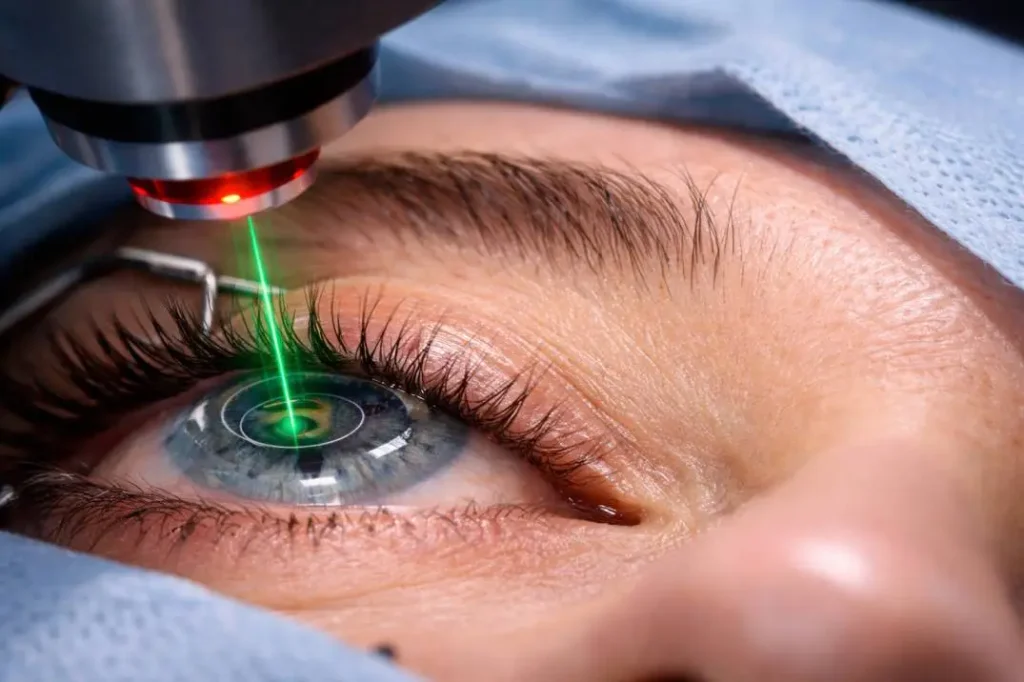
What Happens If I Blink During the SMILE Pro 10-Second Laser?
Dr. Advaith Alampur explains why you can’t blink during the 10-second SMILE Pro laser and how the VisuMax 800 ensures total safety even if you move.
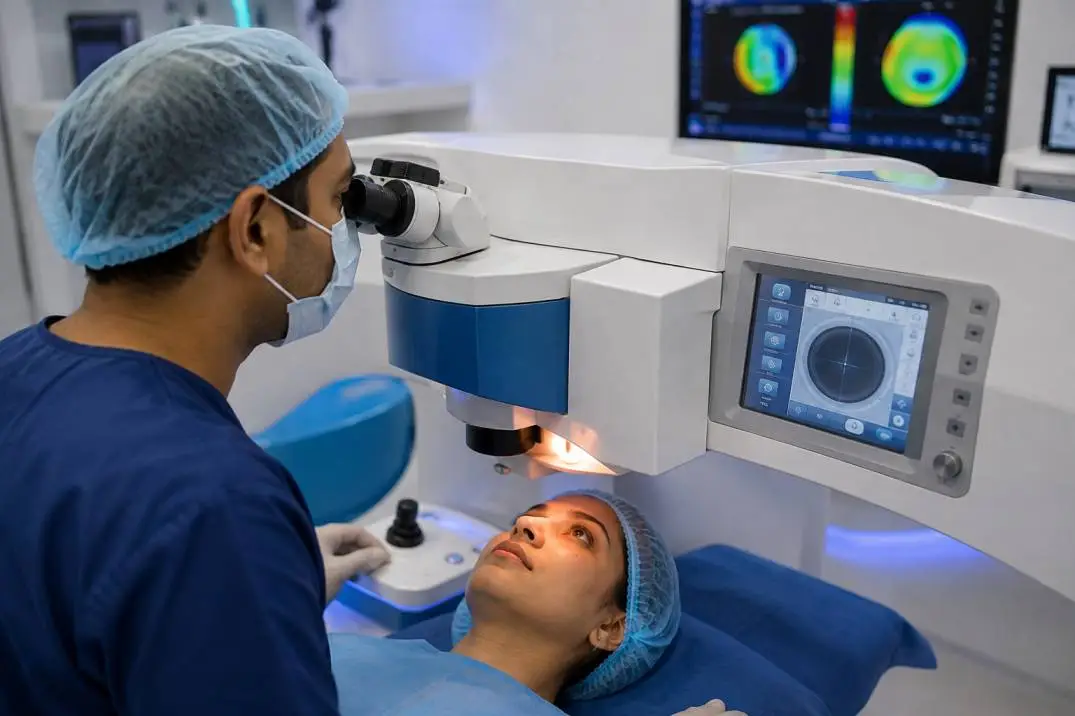
Wavelight Plus vs. Conventional LASIK
Wavelight Plus offers sharper, clearer vision and better night vision than conventional LASIK through personalised 3D eye mapping.

Can I Watch TV After LASIK?
Yes, you can watch TV after LASIK, but you should limit screen time for the first few days and gradually increase it as your eyes heal.

Is LASIK Surgery Permanent?
Yes, LASIK permanently reshapes the cornea to correct refractive errors, but natural age-related changes in the eye can still affect vision over time.
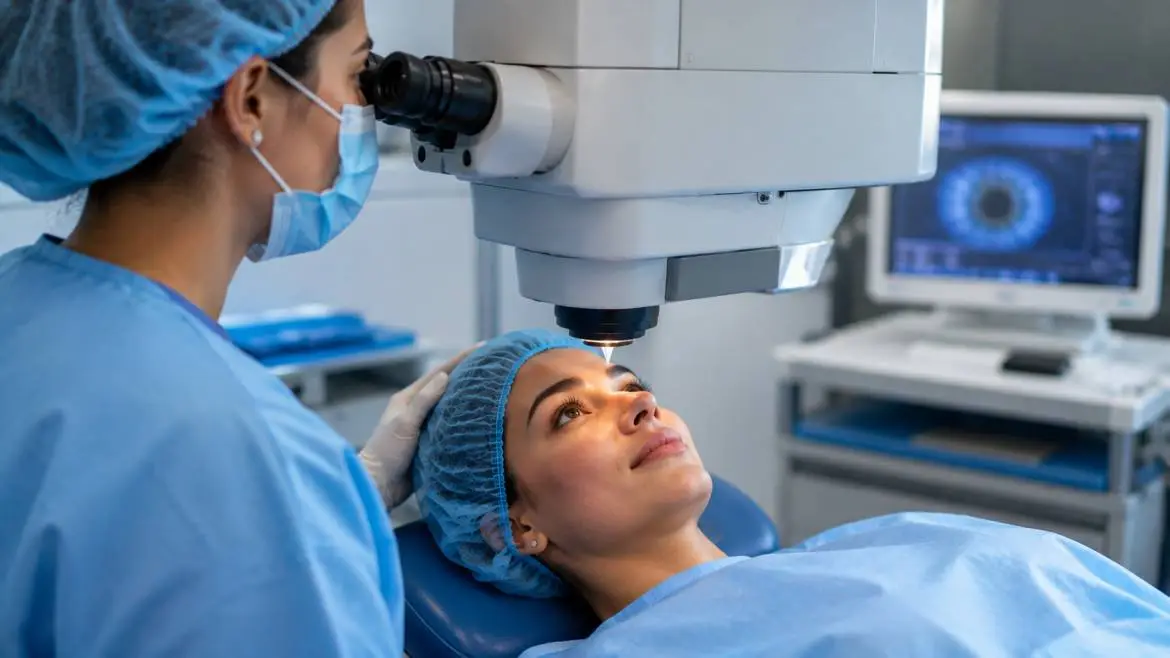
Is LASIK Eye Surgery Safe?
Yes, LASIK eye surgery is safe for the right candidate—when performed after proper screening with modern technology, it offers highly predictable, long-term vision correction with minimal risk.
SMILE Eye Surgery Success Rate: What You Need to Know
SMILE eye surgery has a 80–90% 20/20 success rate, 95–99% reach 20/25 or better, with quick recovery and fewer dry eye risks.
Why Is SMILE Pro the Safest Laser Eye Surgery for Police and Military Aspirants in India?
Unlike LASIK, which creates a corneal flap that poses a lifelong risk of dislocation during combat or physical training, SMILE Pro is a flapless, keyhole procedure.
What Happens If I Blink During the SMILE Pro 10-Second Laser?
Dr. Advaith Alampur explains why you can’t blink during the 10-second SMILE Pro laser and how the VisuMax 800 ensures total safety even if you move.

What to Expect After ICL Surgery: Benefits & Recovery Timeline
Expect blurry vision, mild discomfort, and light sensitivity. Follow doctor’s care, avoid rubbing eyes, and rest well. Clear vision improves week by week!
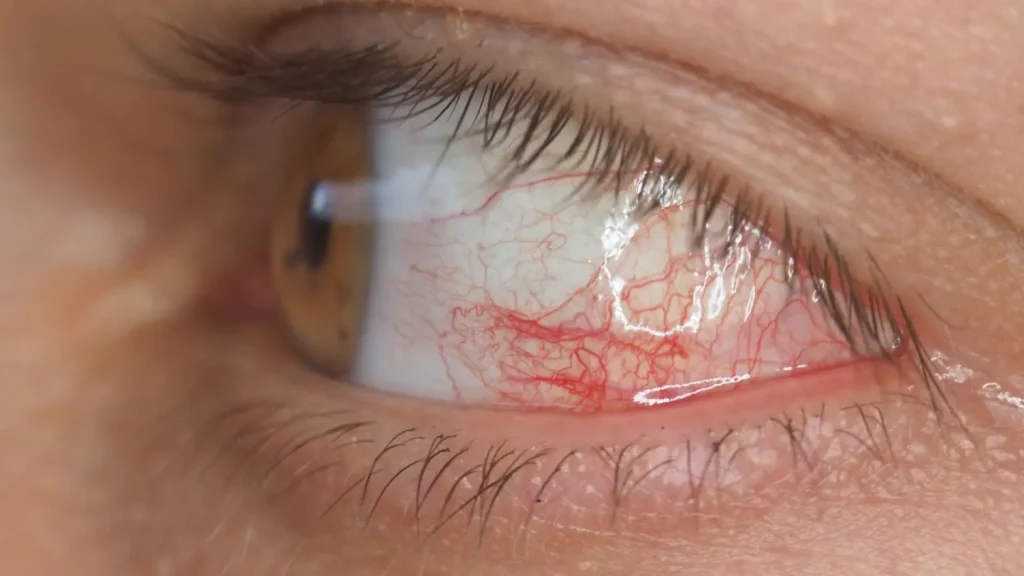
Is Keratoconus Rare? Prevalence, Risks & Early Diagnosis
Keratoconus is uncommon but not rare, affecting about 1 in 2,000 people. Learn who’s at risk, why early diagnosis matters, and how it’s managed.

Keratoconus: How Serious Is It Really?
Keratoconus is a serious eye condition that worsens over time but can be managed with early diagnosis and the right treatment.