
How to Prevent Macular Degeneration ?
You can't fully prevent macular degeneration, but you can significantly lower your risk and slow progression. The strongest evidence points to: never smoking (or quitting), following a Mediterranean-style diet rich in leafy greens and fish, staying physically active, managing blood pressure and weight, and taking AREDS2-formula supplements if you already have intermediate AMD (only as advised by your ophthalmologist). Regular dilated eye exams remain essential, since early AMD often has no noticeable symptoms.
Medically Reviewed By:
Dr Advaith Sai Alampur
Leading LASIK & Refractive Surgery Expert
Condition:
Myopia
(Near sightedness)
Treatment:
LASIK
(Laser Eye Surgery)


Table of Contents
What Is Macular Degeneration?
Age-related macular degeneration affects the macula — the central part of your retina responsible for sharp, detailed vision needed for reading, driving, and recognizing faces. It's a leading cause of vision loss in adults over 55 in Western countries. AMD doesn't cause total blindness, but it can severely affect central vision over time.
Two Main Types
Type | What Happens | Progression |
Dry AMD | Macular tissue thins gradually; drusen (small deposits) form under the retina | More common; slower progression, but can advance to geographic atrophy |
Wet AMD | Abnormal blood vessels grow under the retina and leak fluid/blood | Less common but more aggressive; can cause rapid vision loss without treatment |
Risk Factors You Can't Change
- Age — risk rises sharply after 55
- Genetics and family history
- Ethnicity — AMD is more common in people of European descent
- Eye color (some studies associate lighter eyes with modestly higher risk)
Are You the Right Candidate for LASIK?
Fill the form & we will tell you if LASIK is right for you. Its Free!
Risk Factors You CAN Change
- This is where prevention efforts genuinely matter, based on current research:
- Smoking (current or former) — the single most consistently identified modifiable risk factor
- Poor diet — low intake of vegetables, fruits, and fish
- Physical inactivity
- Obesity and high abdominal body fat
- Uncontrolled high blood pressure, high cholesterol, or cardiovascular disease
- Prolonged, unprotected sun exposure
- Poorly controlled diabetes
How to Reduce Your Risk: Evidence-Based Steps
- Don't smoke, or quit if you do. Smoking is the most established modifiable risk factor for AMD development and progression.
- Follow a Mediterranean-style diet. Research shows high adherence to a diet rich in vegetables, fish, nuts, and olive oil reduces progression to advanced AMD by around 26% and slows drusen progression in intermediate disease.
- Eat foods rich in lutein and zeaxanthin. These are found in leafy greens like spinach and kale, and are the specific nutrients studied in the AREDS2 trial.
- Stay physically active. Higher weekly physical activity has been associated with reduced AMD risk in multiple studies.
- Manage blood pressure, cholesterol, and weight. Cardiovascular health and AMD risk are consistently linked in research.
- Wear UV-protective sunglasses. Prolonged sun exposure is a studied, modifiable risk factor.
- Ask your doctor about AREDS2 supplements — only if appropriate for you. These aren't for everyone; they're specifically studied for people who already have intermediate AMD or advanced AMD in one eye, not for general prevention in people with healthy eyes. This decision should be made with your ophthalmologist, not through self-supplementation.
- Get regular comprehensive, dilated eye exams. Early AMD frequently has no symptoms, so a professional exam is often the only way to catch it early.
AREDS2 Supplements: What They Actually Do (and Don't Do)
What AREDS2 Studies Showed | What They Did NOT Show |
Can reduce the risk of progression from intermediate to advanced AMD in people who already have intermediate disease | Do not prevent AMD from developing in people with healthy eyes |
Specific formula: vitamins C and E, zinc, copper, lutein, and zeaxanthin | Not a substitute for a healthy diet or not-smoking |
Smokers are typically advised on a beta-carotene-free version, since beta-carotene has been linked to increased lung cancer risk in smokers | Should not be started without your ophthalmologist's guidance |
Diet vs Genetics: Which Matters More?
Research indicates that even people with a high genetic risk for AMD show meaningful risk reduction from a healthy lifestyle — genetics isn't destiny here. A combination of not smoking and a high intake of vegetables, fish, and fruit has been shown in studies to roughly halve the risk of progression to late AMD compared with an unfavorable lifestyle. That said, genetics still matters — people with strong family history should be especially consistent with eye exams and lifestyle measures, and may benefit from earlier or more frequent monitoring.
How Is Macular Degeneration Detected?
- Comprehensive dilated eye exam — allows your ophthalmologist to directly view the retina and macula
- Amsler grid test — a simple grid pattern used to detect distortion or blank spots in your central vision, which can sometimes be checked at home between visits
- Optical coherence tomography (OCT) — detailed retinal imaging to detect drusen or fluid
- Fluorescein angiography — used if wet AMD is suspected, to see abnormal blood vessels
- Genetic and family history discussion — helps your doctor determine your monitoring schedule
Symptoms to Watch For
When Should You See an Eye Doctor?
- Straight lines appearing wavy or distorted
- Difficulty recognizing faces
- Need for brighter light when reading
- Blurry or blank spots in central vision
- Colors appearing less vivid
Early AMD often has no symptoms at all, which is precisely why regular eye exams — not waiting for symptoms — are the recommended approach after age 50–55.
When Should You See an Eye Doctor?
- You're over 50 and haven't had a comprehensive dilated eye exam recently
- You have a family history of AMD
- You notice any distortion, blurring, or blank spots in your central vision
- You're a current or former smoker with any of the above risk factors
Seek prompt medical attention if you notice a sudden change in central vision, new significant distortion, or a rapidly growing blind spot — this can indicate wet AMD, which needs timely treatment to help preserve vision.
Recent Research and Updates
The American Academy of Ophthalmology's 2025 Preferred Practice Pattern guidance on AMD has reinforced dietary and lifestyle counseling as part of standard care, recommending that patients with intermediate AMD or advanced disease in one eye receive specific nutritional guidance rather than general health advice alone. Research published in 2025 also continues to reinforce that modifiable lifestyle factors — smoking, diet, physical activity, and cardiovascular health — remain central to both preventing progression and supporting overall retinal health, alongside genetic and systemic health factors that aren't in a person's control.
A Note Before You Decide on Supplements or Major Diet Changes
The evidence for lifestyle and dietary risk reduction in AMD is genuinely strong, but AREDS2 supplementation specifically isn't appropriate for everyone, and self-prescribing high-dose supplements without medical guidance isn't recommended. An ophthalmologist or retina specialist can assess your specific risk profile, family history, and current eye health to tell you what's actually relevant for you.
Book a Comprehensive Eye Evaluation
If you're due for a dilated eye exam, have a family history of AMD, or are visiting for LASIK, cataract, or another vision correction procedure and want a macular health check included, book a consultation with Envision LASIK Centre — our team can guide you on the right diagnostic evaluation and next steps for your eye health, whether you're local to Hyderabad or traveling from abroad.
Frequently Asked Questions (FAQ)
Can macular degeneration be reversed?
No treatment currently reverses AMD-related vision loss, but treatments for wet AMD can help stabilize vision, and lifestyle changes can slow progression of dry AMD in many cases.
What foods should I avoid to prevent macular degeneration?
Research points more toward what to add (vegetables, fish, leafy greens) than a specific "avoid" list, though a diet high in processed foods and low in vegetables is associated with higher risk.
Does screen time cause macular degeneration?
Current evidence does not show that screen time causes or worsens AMD; the established risk factors are age, genetics, smoking, diet, and cardiovascular health.
At what age should I start worrying about macular degeneration?
Risk rises notably after age 55, so regular comprehensive eye exams are generally recommended starting around this age, or earlier with a family history of AMD.
Is macular degeneration hereditary?
Genetics and family history are established, non-modifiable risk factors, but lifestyle changes still meaningfully reduce risk even in people with high genetic risk.
Do I need AREDS2 vitamins if I don't have AMD yet?
No — AREDS2 supplements are specifically studied for slowing progression in people who already have intermediate or advanced AMD, not for general prevention in healthy eyes; consult your ophthalmologist before starting any supplement.
Can exercise really lower macular degeneration risk?
Multiple studies associate higher physical activity levels with reduced AMD risk, though it works alongside — not instead of — other factors like not smoking and diet.
How often should I get my eyes checked for macular degeneration?
This depends on your age, risk factors, and any existing diagnosis — your ophthalmologist can recommend a personalised exam schedule, but annual dilated exams are commonly advised after 50–55.
Your Title Goes Here
Your content goes here. Edit or remove this text inline or in the module Content settings. You can also style every aspect of this content in the module Design settings and even apply custom CSS to this text in the module Advanced settings.

Can You Sleep With Contacts In?
Sleeping in contact lenses raises infection risk up to 8 times, per the CDC. Learn the real risks, warning signs, and what to do if it happens | Envision Lasik centre
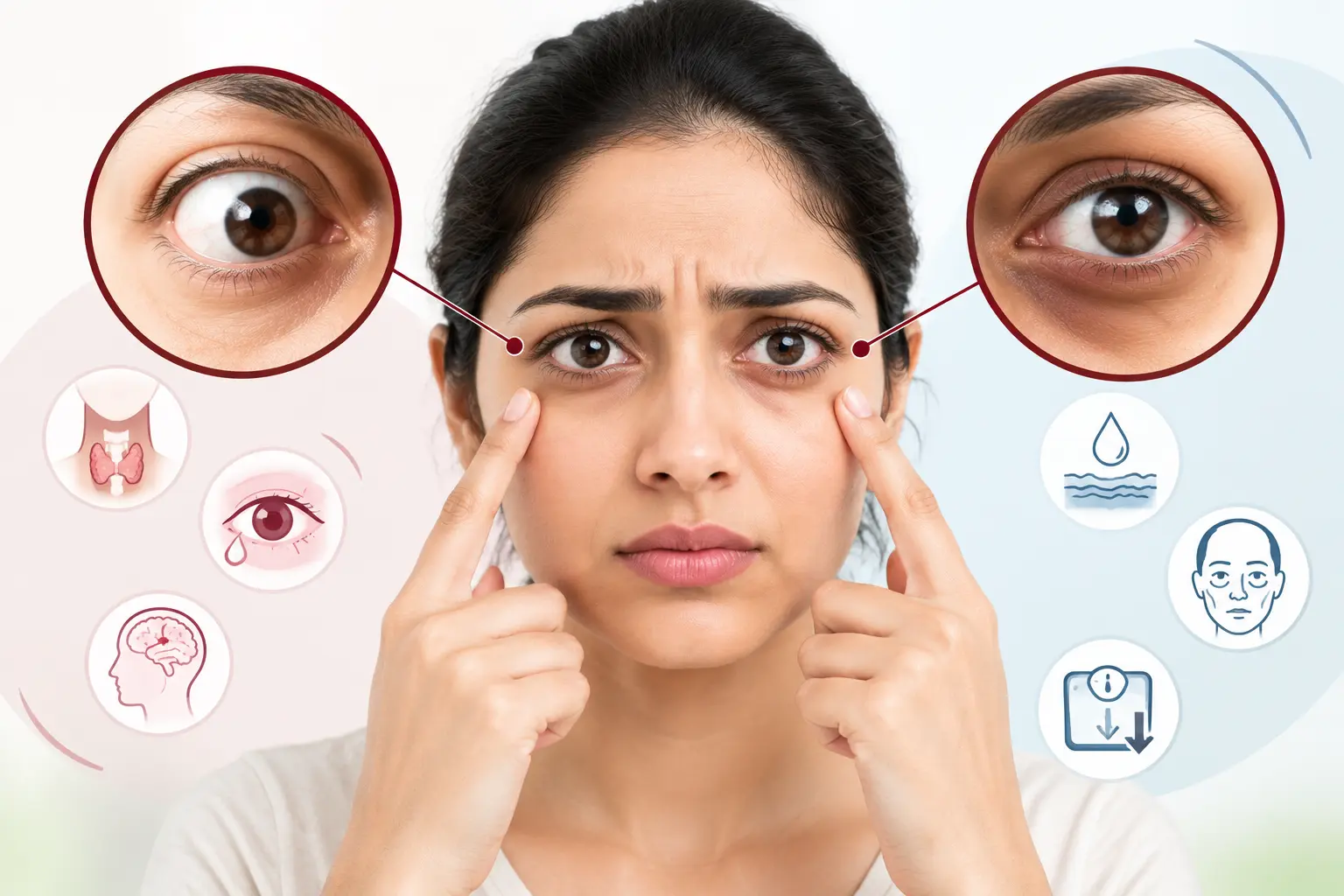
What Causes Bulging or Sunken Eyes?
Bulging eyes are often linked to thyroid disease, sunken eyes to aging or dehydration. Learn the real causes and red flags to watch for.
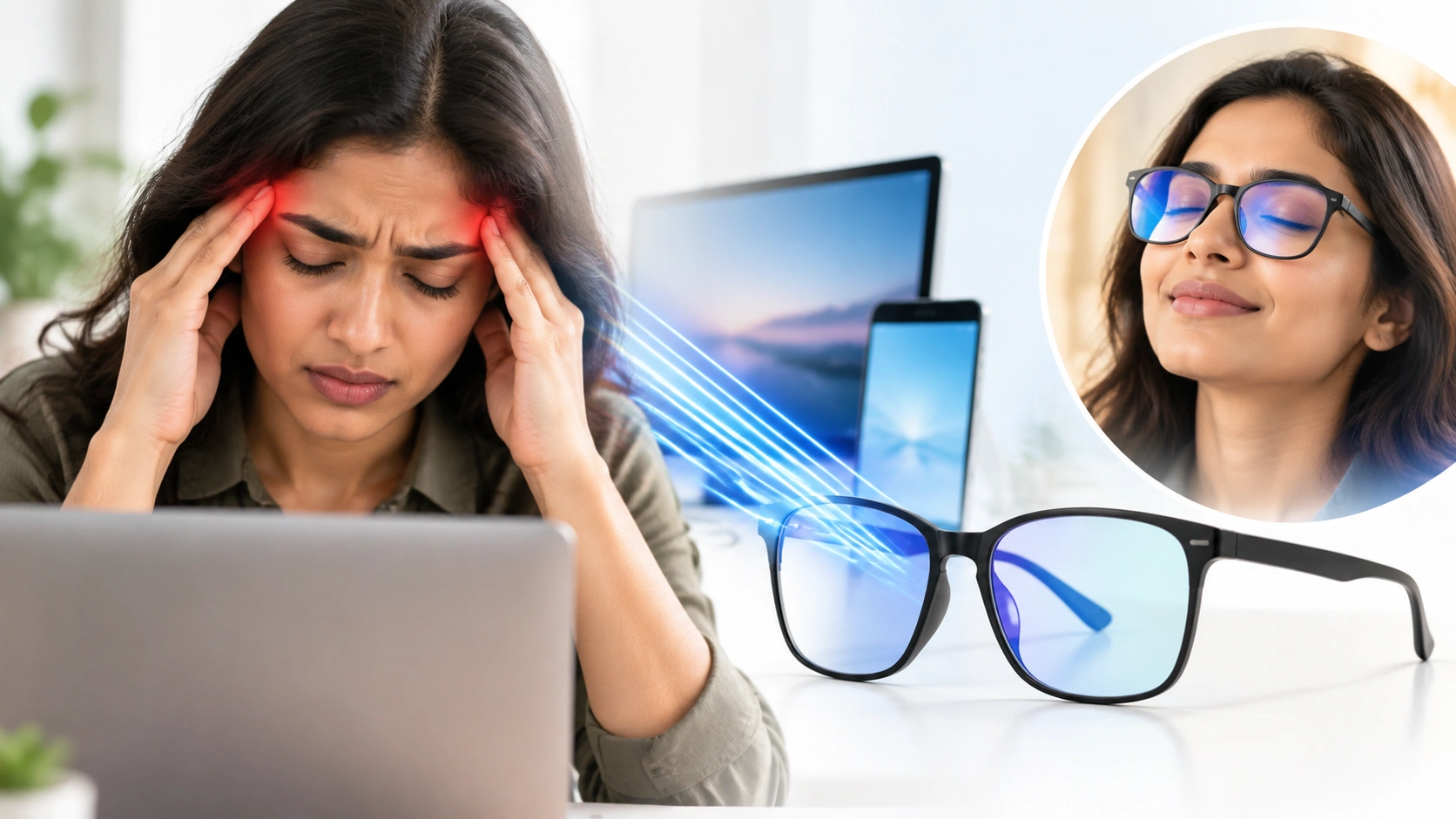
Can Blue Light Glasses Help With Headaches?
Blue light glasses are generally not proven to reduce digital eye strain or screen-related headaches, though some people find personal relief